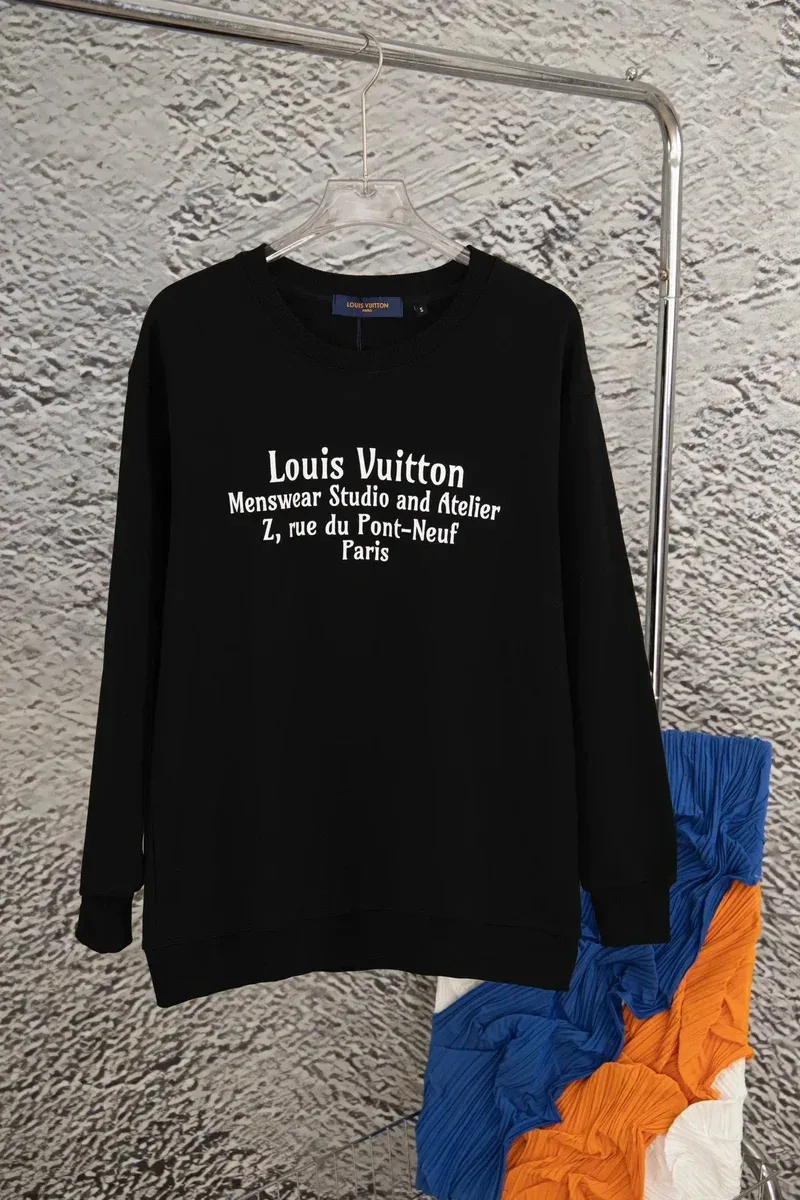
Louis Vuitton Menswear Studio and Atelier Black Sweatshirt
~$18.06↗
Item estimate · shipping extra Beijing Time
Choose a hoodie by its proportions, opening style and intended layers. A wide chest, long body and dropped shoulder describe different design decisions.
Compare the selected version’s dimensions and interior details, then decide whether you want a standalone graphic piece or a layer worn open or beneath a jacket.
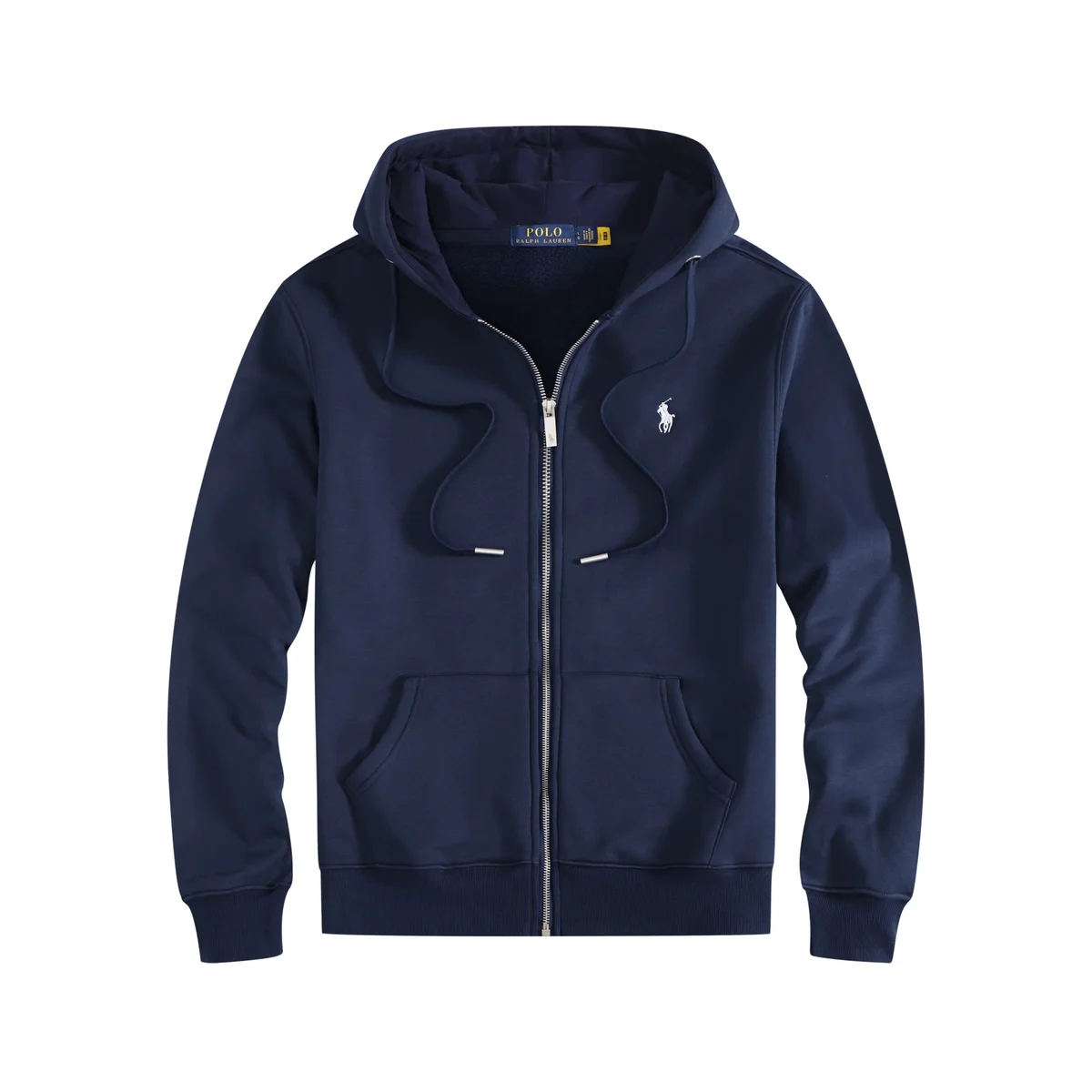
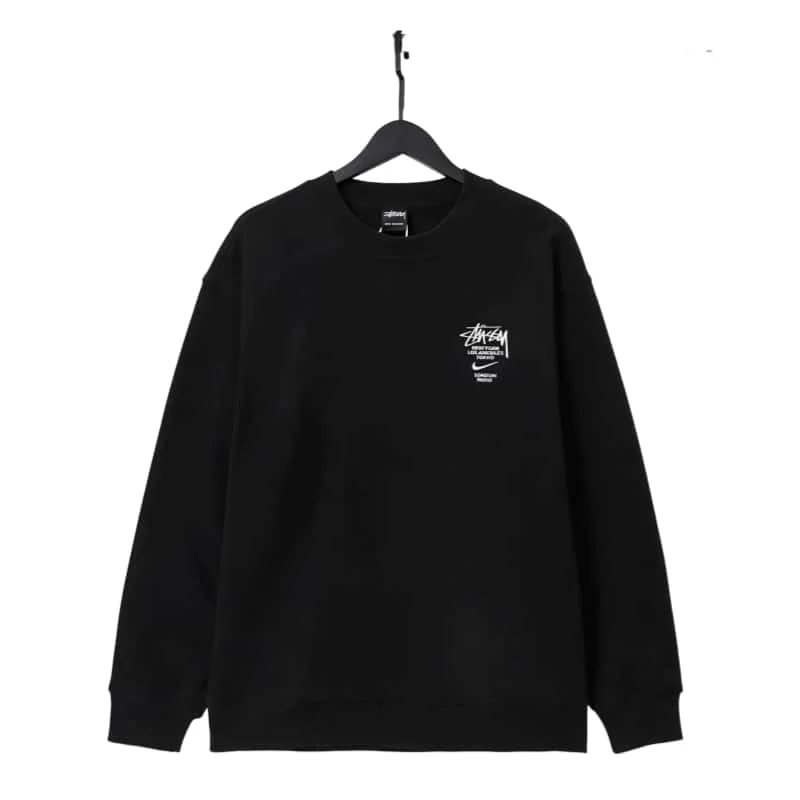

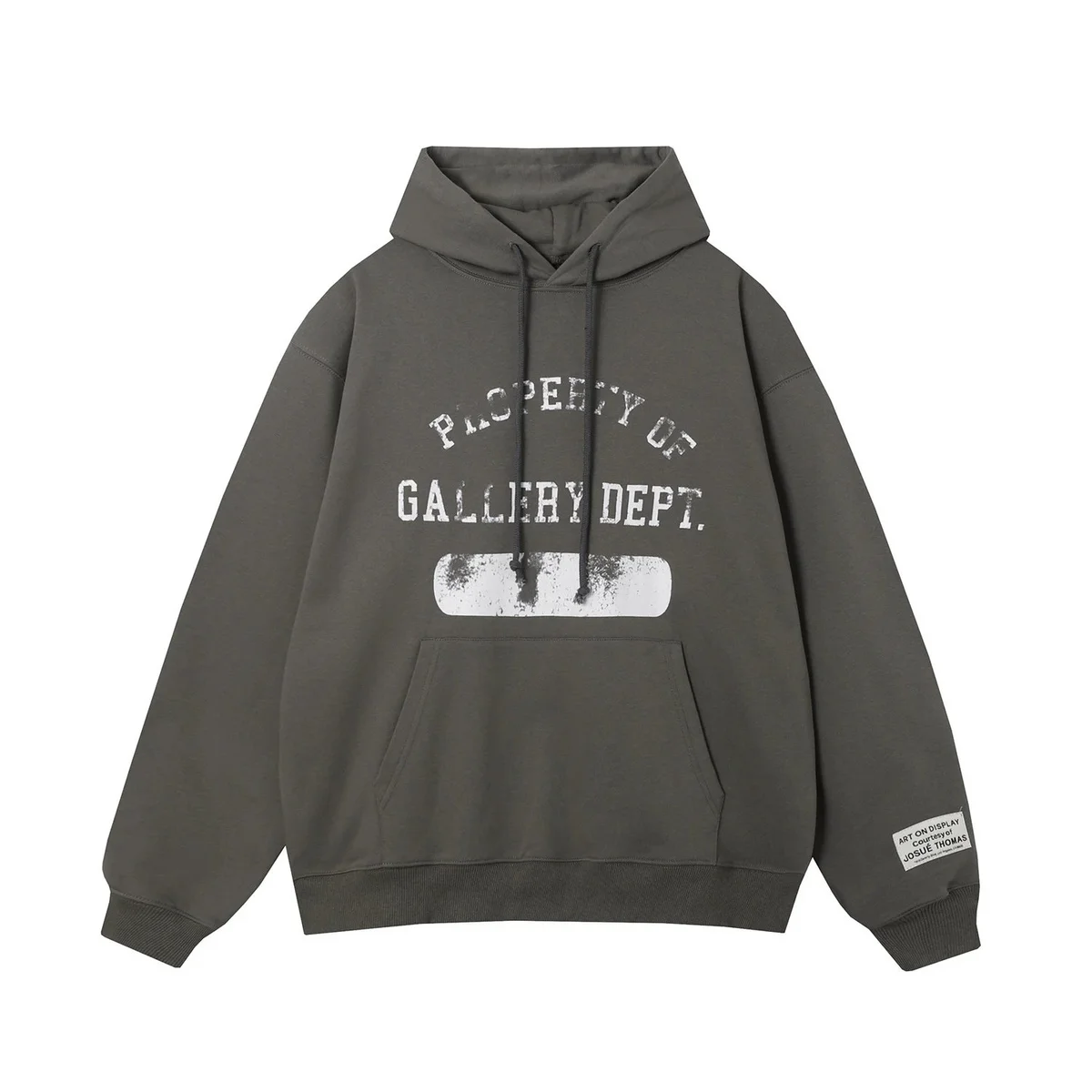
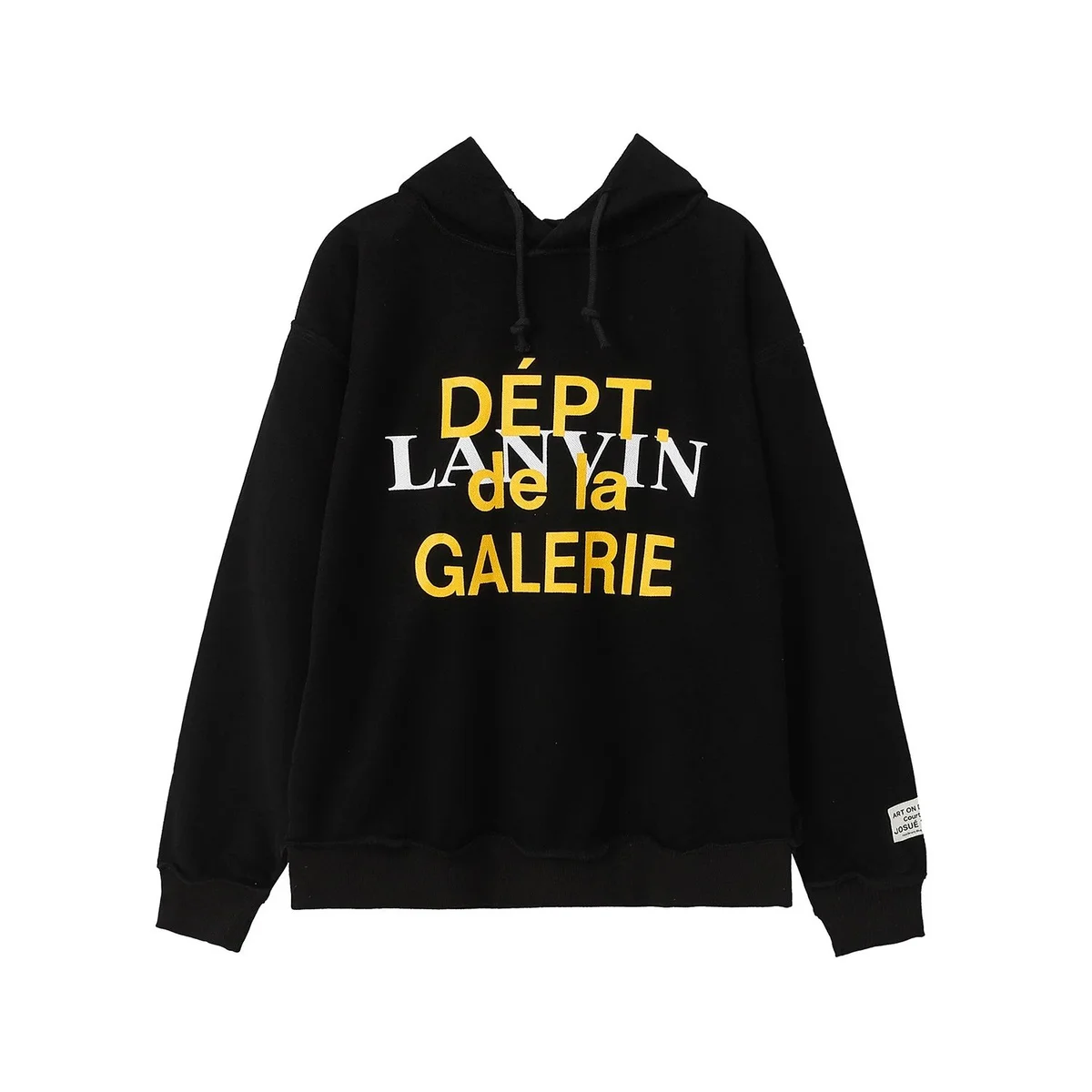
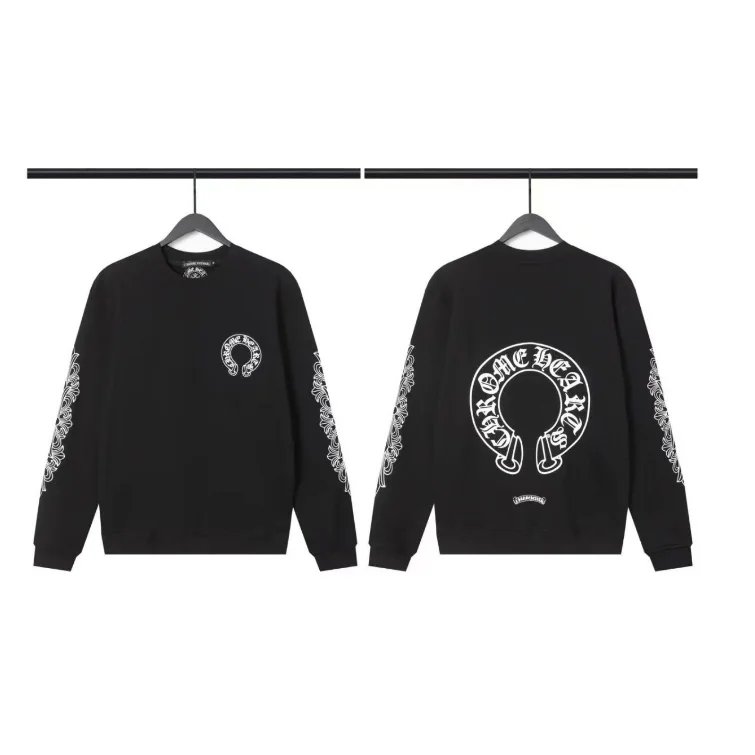
 ↗ 2 QC photos recorded


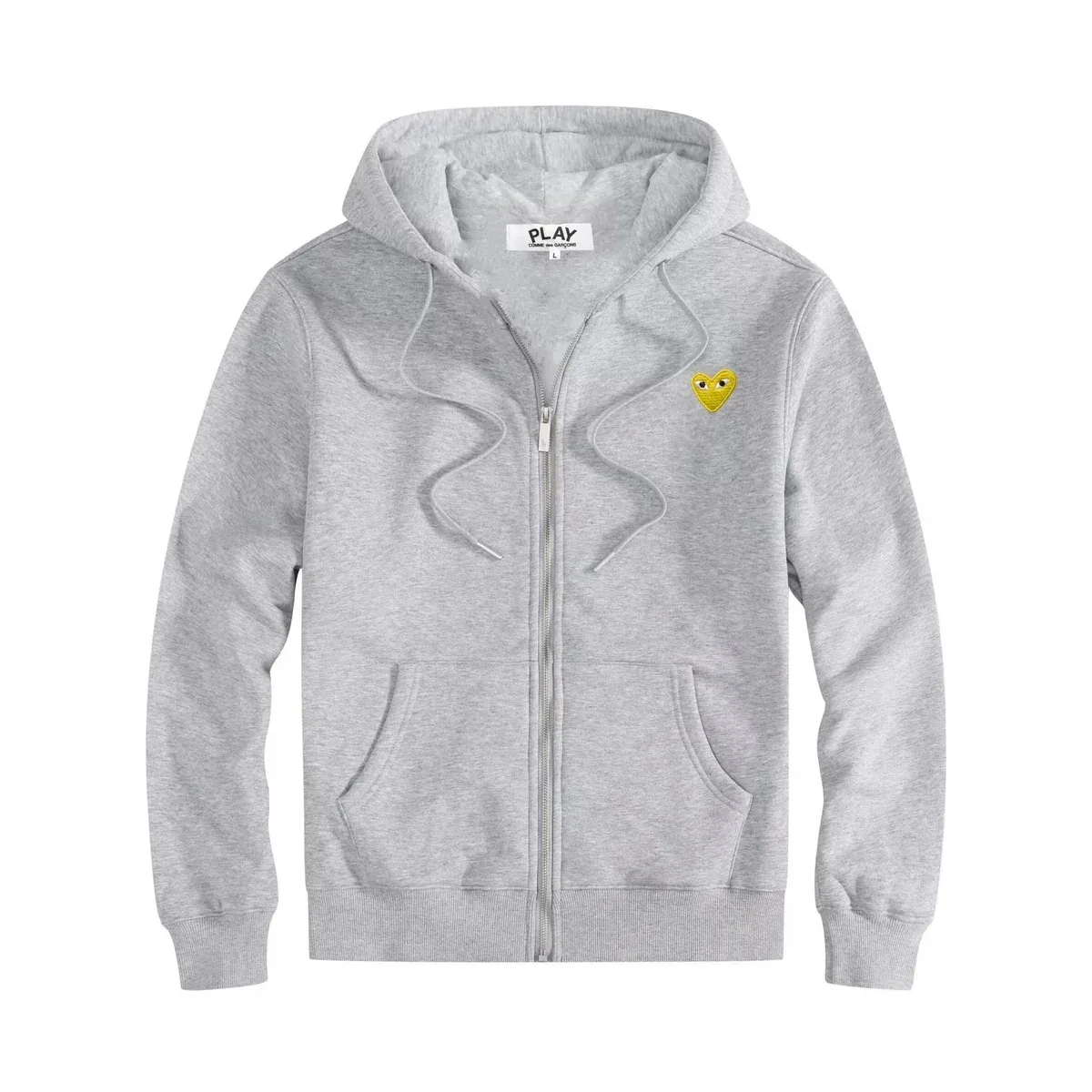

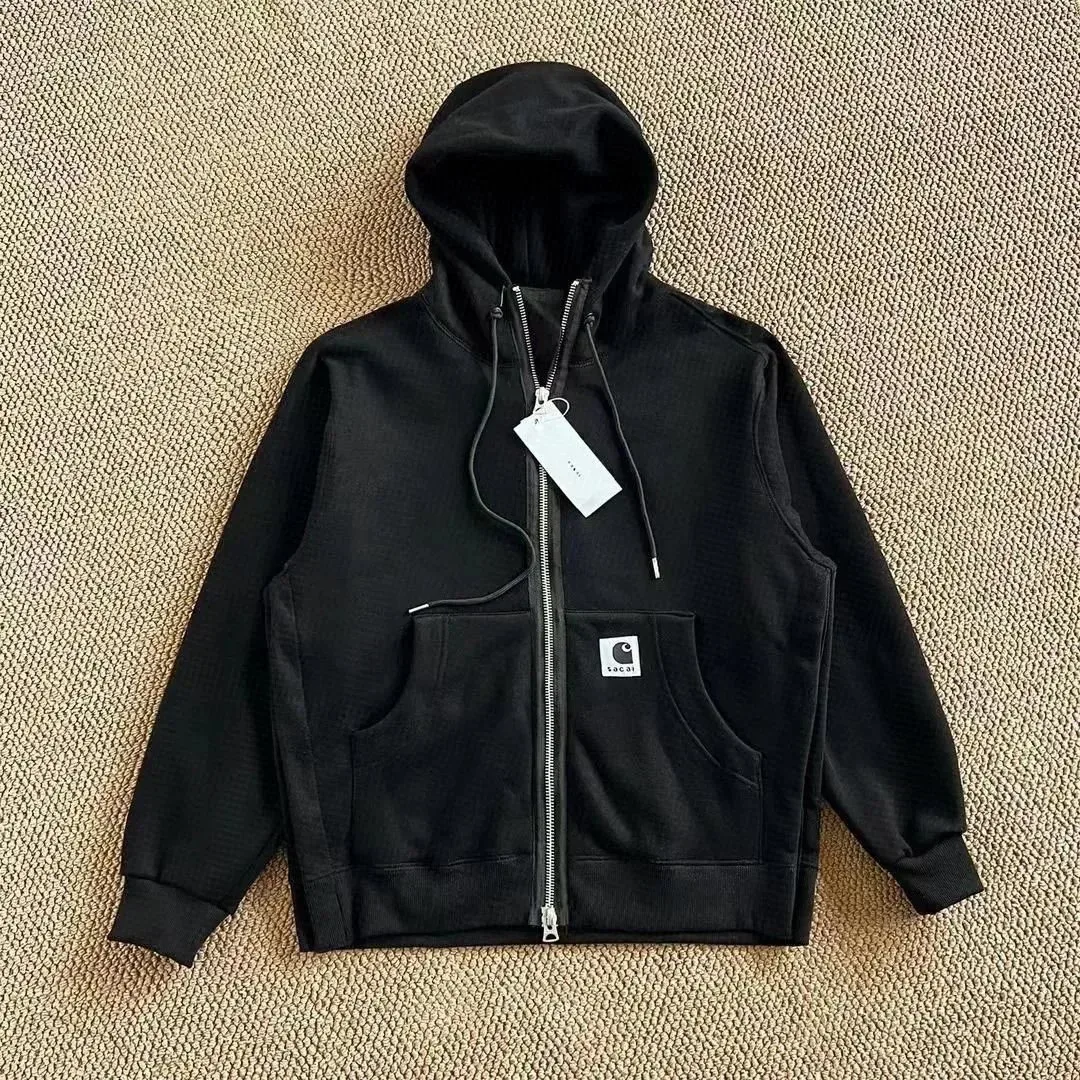

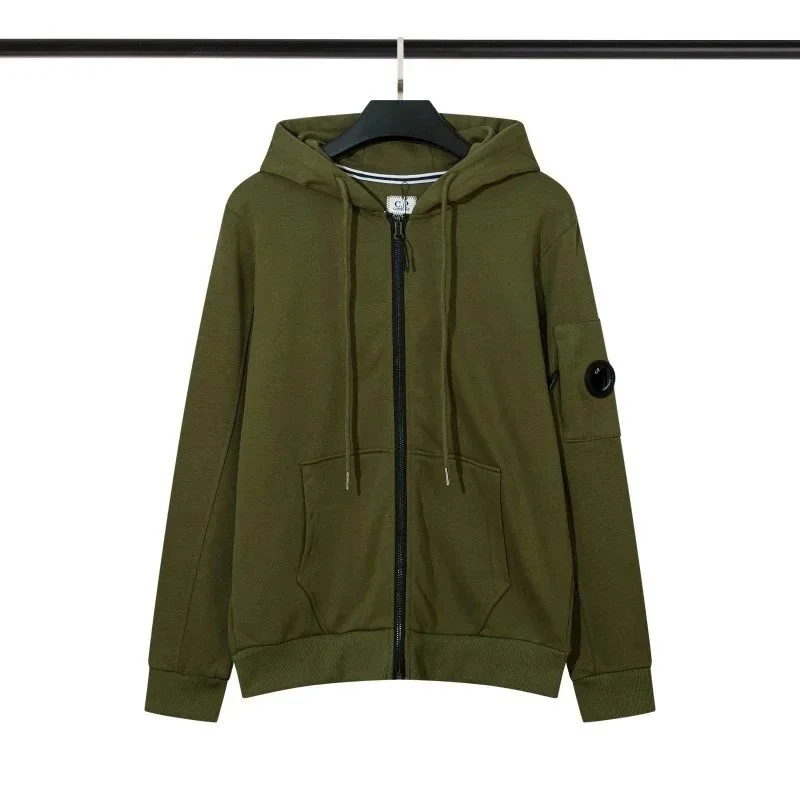


Start with its role in the outfit, then compare length, width and neckline.
Compare the outline with a sweatshirt you wear regularly. Notice where the ribbed hem sits and whether the sleeves have the room and length you prefer.
Compare both garments together, including shoulders, sleeves and hood space. Choose where each hem should finish instead of assuming a larger jacket label solves the combination.
An open zip-up can frame a tee, while a pullover leaves the front graphic uninterrupted. Inspect the selected colour’s front and back before choosing a focal point.
The opening, cut and fabric specifications answer different questions.
Scroll across to compare
| Type or feature | When to consider it | What to check |
|---|---|---|
| Pullover | Consider a continuous front graphic and a closed silhouette. The neck opening also matters when pulling it over an inner layer. | Compare neckline, hood shape and hem width with the finished body dimensions. |
| Full zip | Consider wearing it open and closed. The zip divides the front and may interrupt the graphic. | Inspect both views, the zip finish and pocket placement, including your intended tee in the outfit plan. |
| Boxy versus longer cuts | A short, wide body creates different proportions from a longer relaxed body. Neither specifies warmth. | Compare width and length separately, then confirm where sleeve measurements begin. |
Use the visible shape of each layer to make the combination intentional.
Try a tee that ends inside the hoodie or one that shows beneath it. Compare actual garment lengths so the amount showing is a decision rather than a surprise.
Under a jacket, consider how the hood sits around the collar and whether the shoulders look crowded. Check the interior separately when the lining or fabric finish matters.
Use a plain tee beneath a printed hoodie, or let the tee carry the graphic beneath a simpler outer layer. Check that the opening leaves the design visible.
Not necessarily. Compare width, length and shoulder placement separately. A boxy cut can add width while keeping a relatively short body.
Weight, composition and construction are separate information. Ask for those details and an interior view; weight or a thick-looking image is not a temperature rating.
Body measurements describe the wearer; finished dimensions describe the item. Identify which chart is supplied before comparing it with a hoodie you own.
Check the measuring points first. A measurement beginning at a shoulder seam differs from one starting at the centre of the back.