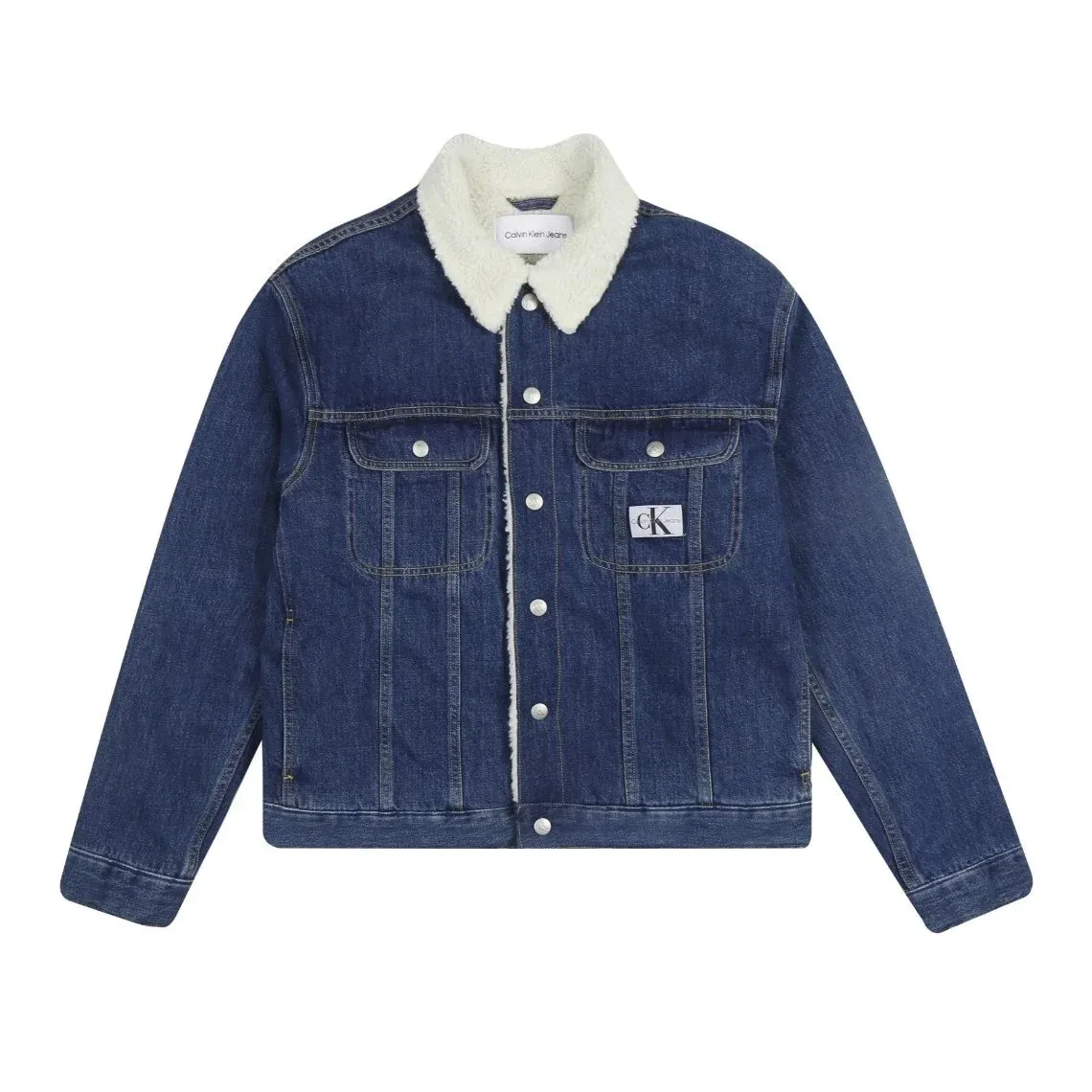
Calvin Klein Denim Jacket with Shearling Collar Denim Blue
~$73.33↗
Item estimate · shipping extra Beijing Time
Start with the layer you need: a light cover over a tee, an everyday structured jacket or a roomier outer piece for wearing over a sweatshirt.
Compare the cut, lining, closures and dimensions of the selected option. Choose visible style and documented weather or insulation properties as separate parts of the decision.


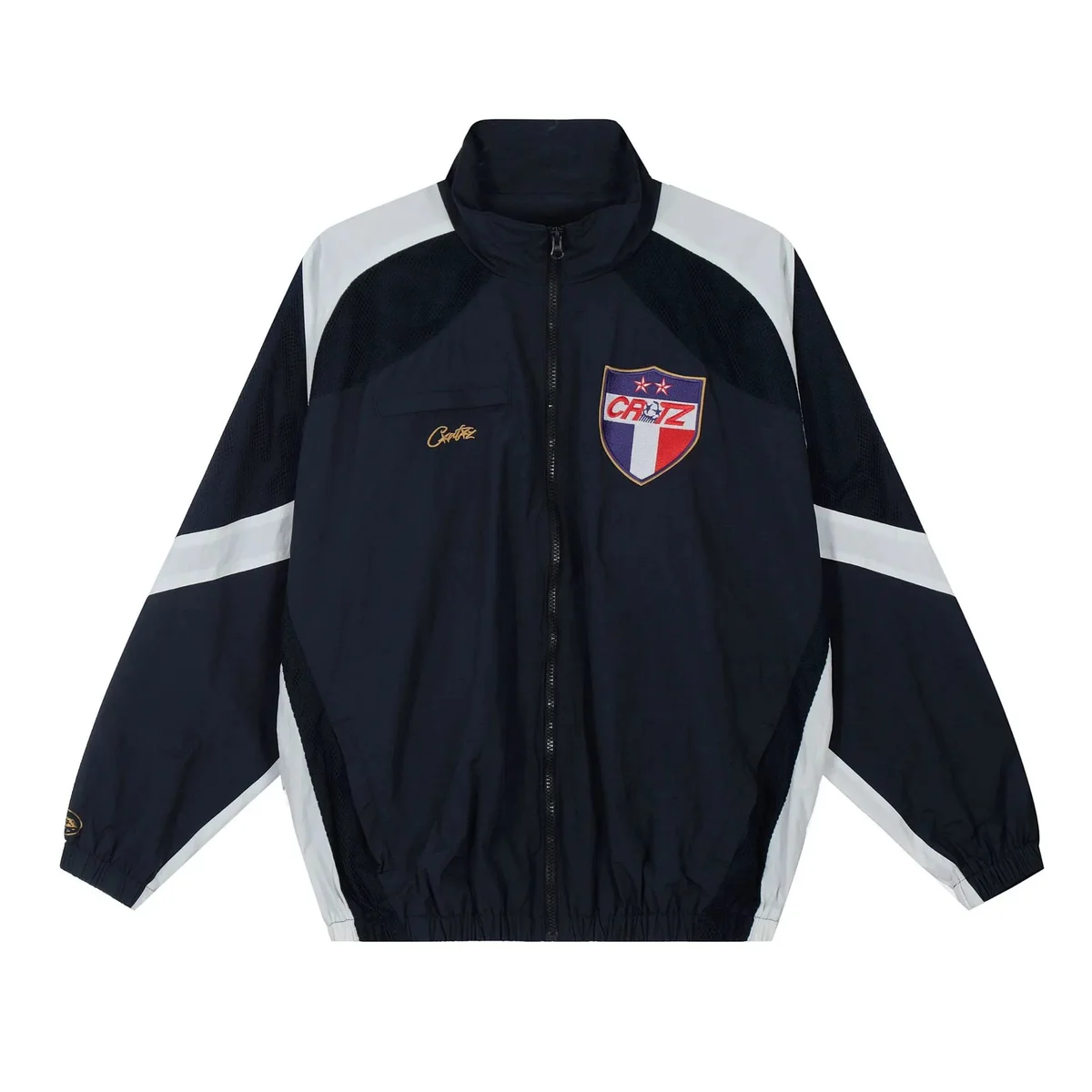

 ↗ 3 QC photos recorded


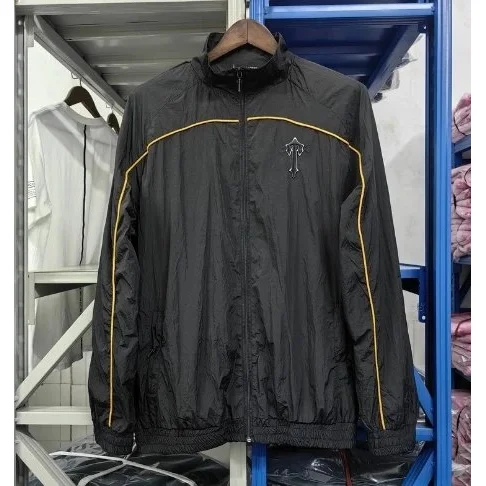


Decide what you will wear underneath and where the jacket should finish.
Start with the tee or shirt you normally wear underneath. Check sleeve room, pocket access and whether you prefer the jacket open or closed during the day.
Compare with a jacket that already works over that layer. Look at sleeve and shoulder space as well as chest width; a larger size letter does not describe the whole combination.
Write down the conditions the jacket needs to handle. If warmth or rain protection is essential, look for explicit material and performance information for that exact option before prioritising its appearance.
These jacket types solve different outfit needs. Check the details rather than assuming performance from a name.
Scroll across to compare
| Type or feature | When to consider it | What to check |
|---|---|---|
| Unpadded or lightweight layers | Consider these when the outer shape matters more than adding a bulky layer. A thin appearance does not establish breathability or weather protection. | Inspect fabric composition, lining, collar and cuffs, plus the room available over your intended top. |
| Structured denim or workwear shapes | Consider a more defined outline and visible pockets or seams. A fabric that looks rigid still needs a fit check for reaching and sitting. | Compare shoulder position, sleeve room, hem length and stated fabric or stretch information. |
| Padded or insulated shapes | Consider the additional volume in the complete outfit. The quilted or puffy outline does not identify the filling or prove warmth. | Ask for fill composition and any published insulation specification; compare collar, closure and hem coverage. |
Think about which layer will be visible and where its volume sits.
Compare the jacket hem with your trouser waistband and inner top. A visible tee below the jacket and a tucked-in layer create different outlines; choose the result deliberately.
Try a simpler inner layer and compare the full silhouette with your trousers. Check how the sleeves and hood sit together so the upper body does not look crowded.
Look at where pockets and fastenings sit when the jacket is worn closed. Decide whether you need easy phone access, an adjustable cuff or room around the collar before choosing the design.
Compare the jacket with an outer layer you already wear over that hoodie. Chest, shoulders and sleeves all matter; there is no universal extra-size rule.
No filling can be identified from a puffy outline alone. Read the stated fill composition for the selected option and ask if it is missing.
Those features do not establish waterproof performance. Look for the exact claim and supporting product specifications if rain protection is part of your intended use.
Compare where each hem falls with your regular trousers, inner layer and sitting position. Choose the coverage and proportion you prefer rather than deciding from the model’s height alone.