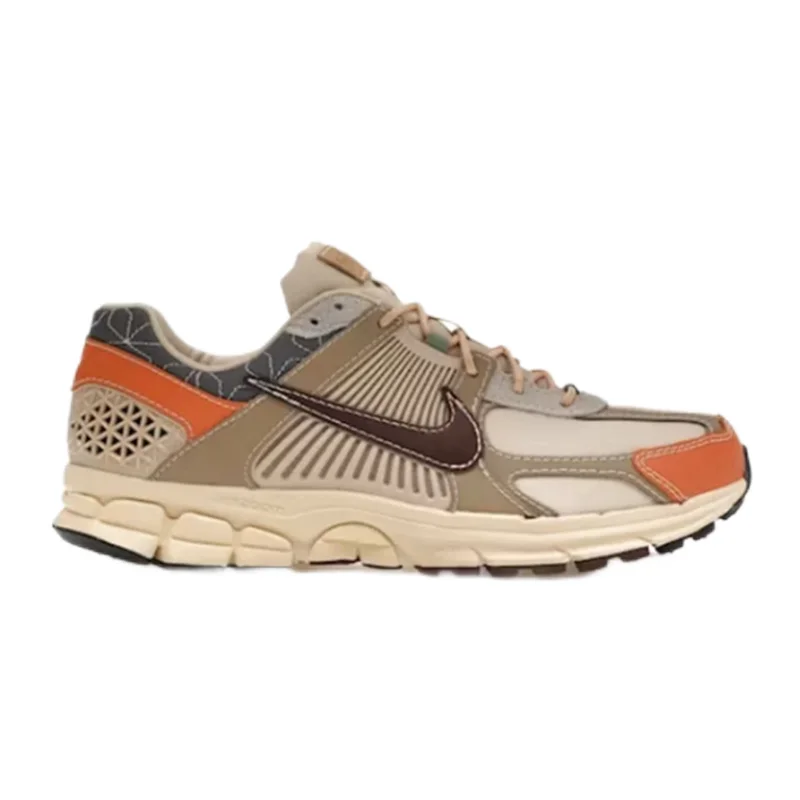
Nike Air Zoom Pegasus 30 'Sail/University Red' Sneakers
~$47.92↗
Item estimate · shipping extra Beijing Time
Find a pair that works with the clothes you actually wear. Compare the toe shape, collar and sole profile alongside the reference item price, then check the selected size on its product page.
Use the advice below to choose a silhouette, compare fit information and plan an outfit. A sporty appearance alone does not establish running performance or comfort.
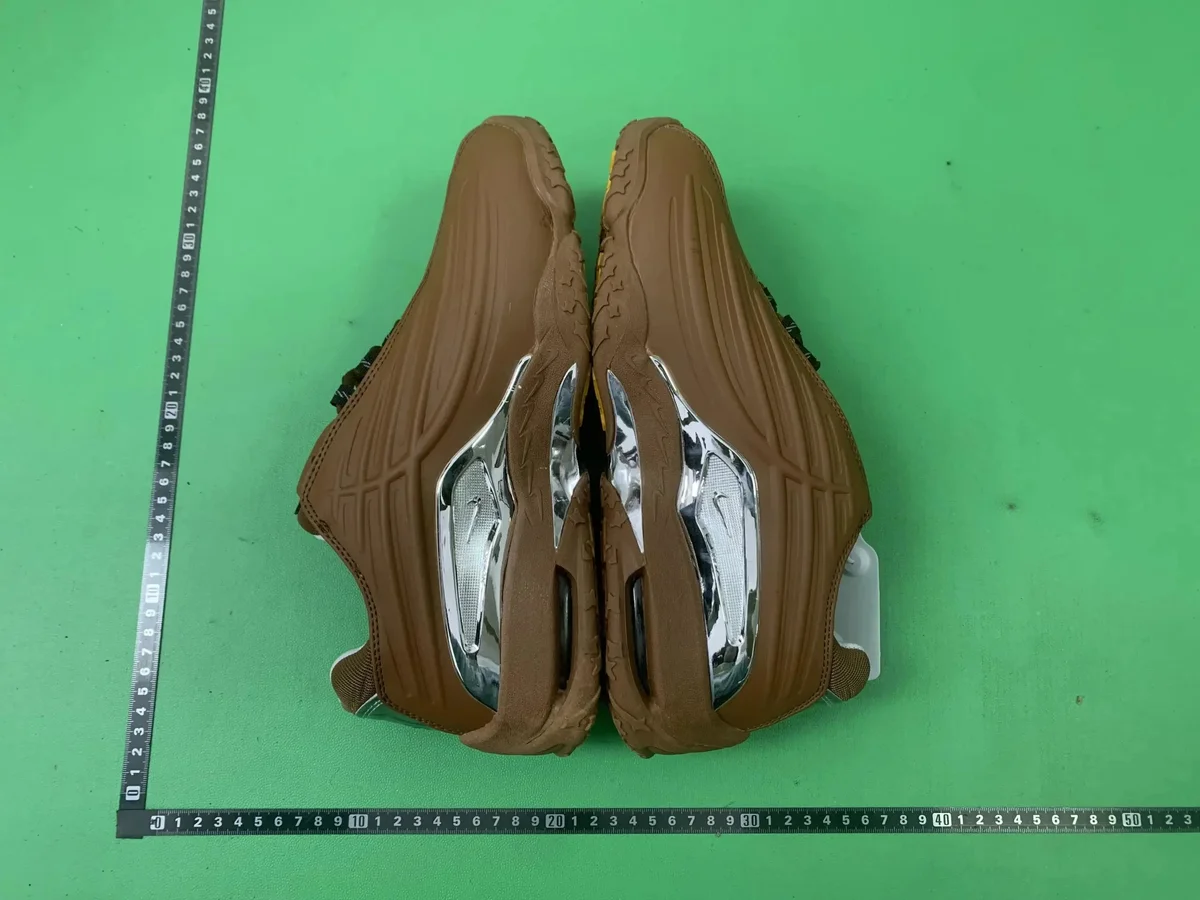


 ↗ 6 QC photos recorded

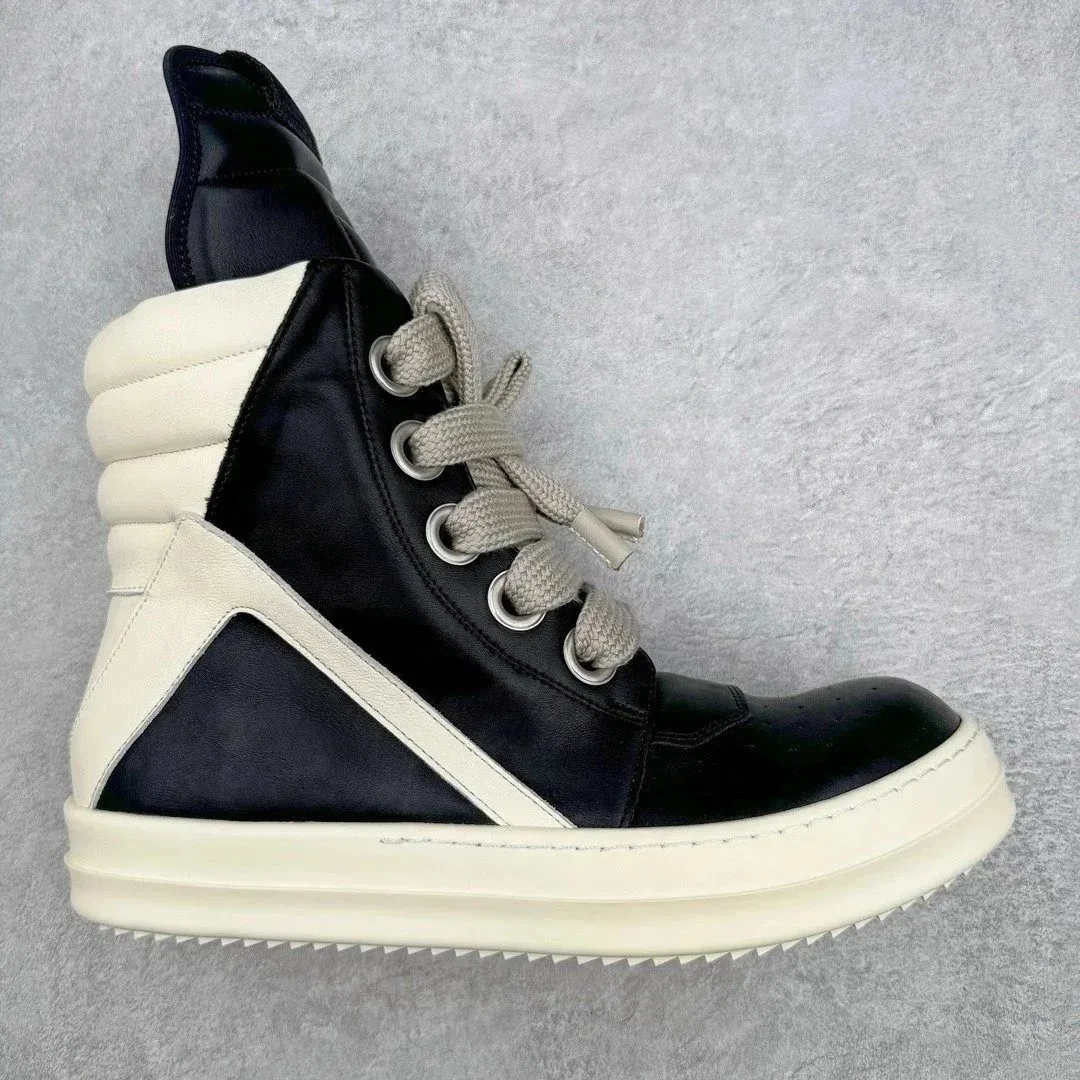


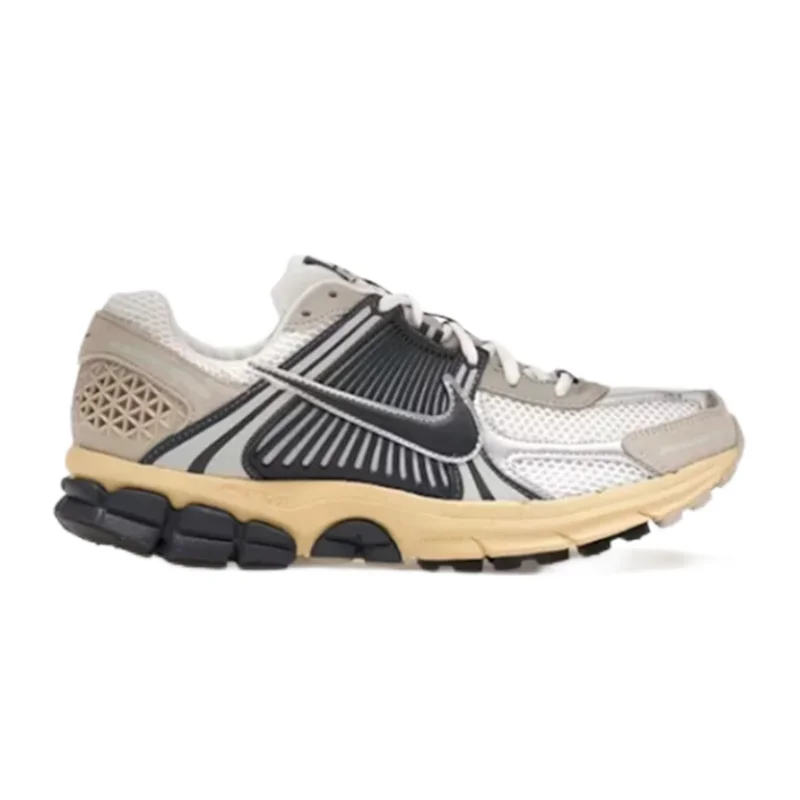


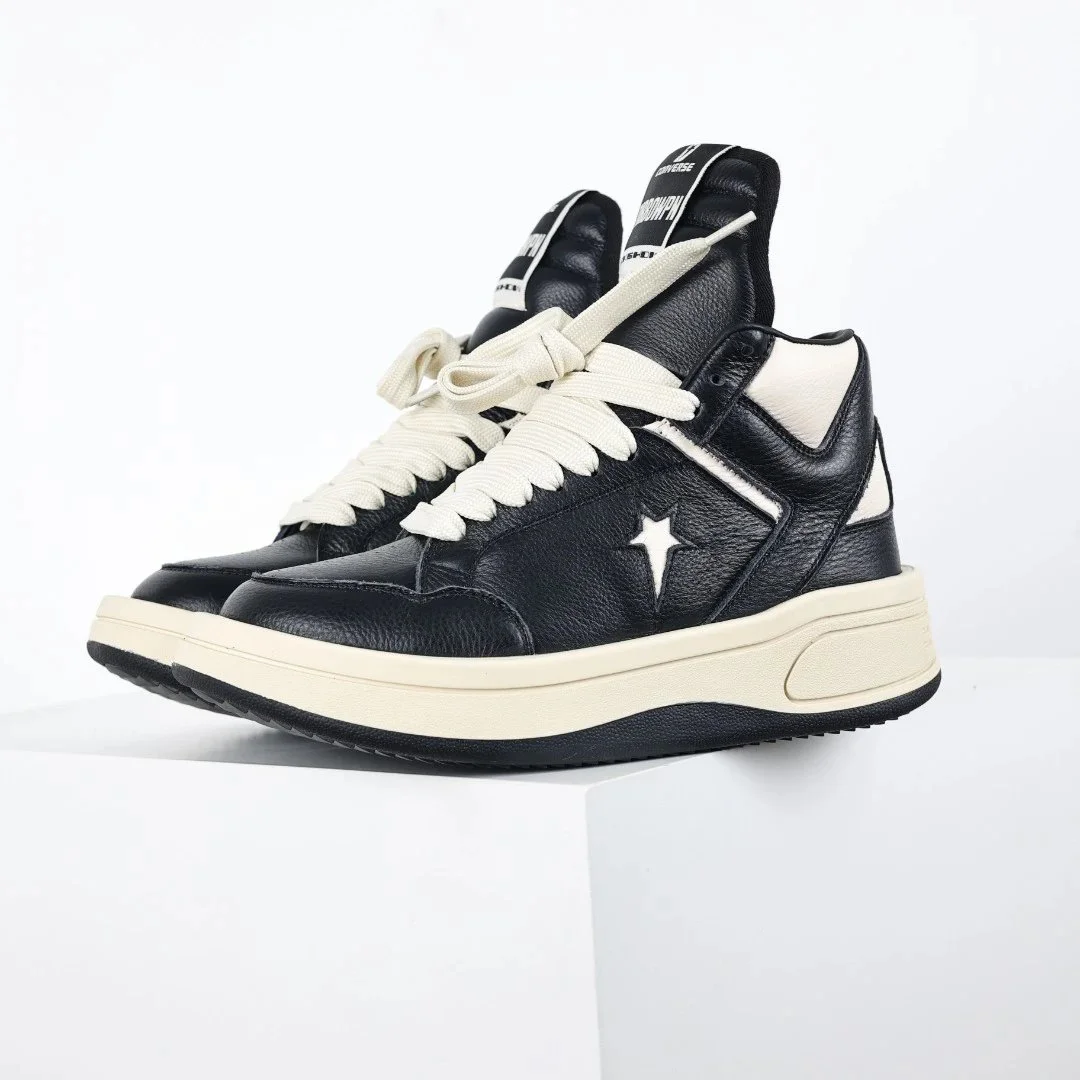


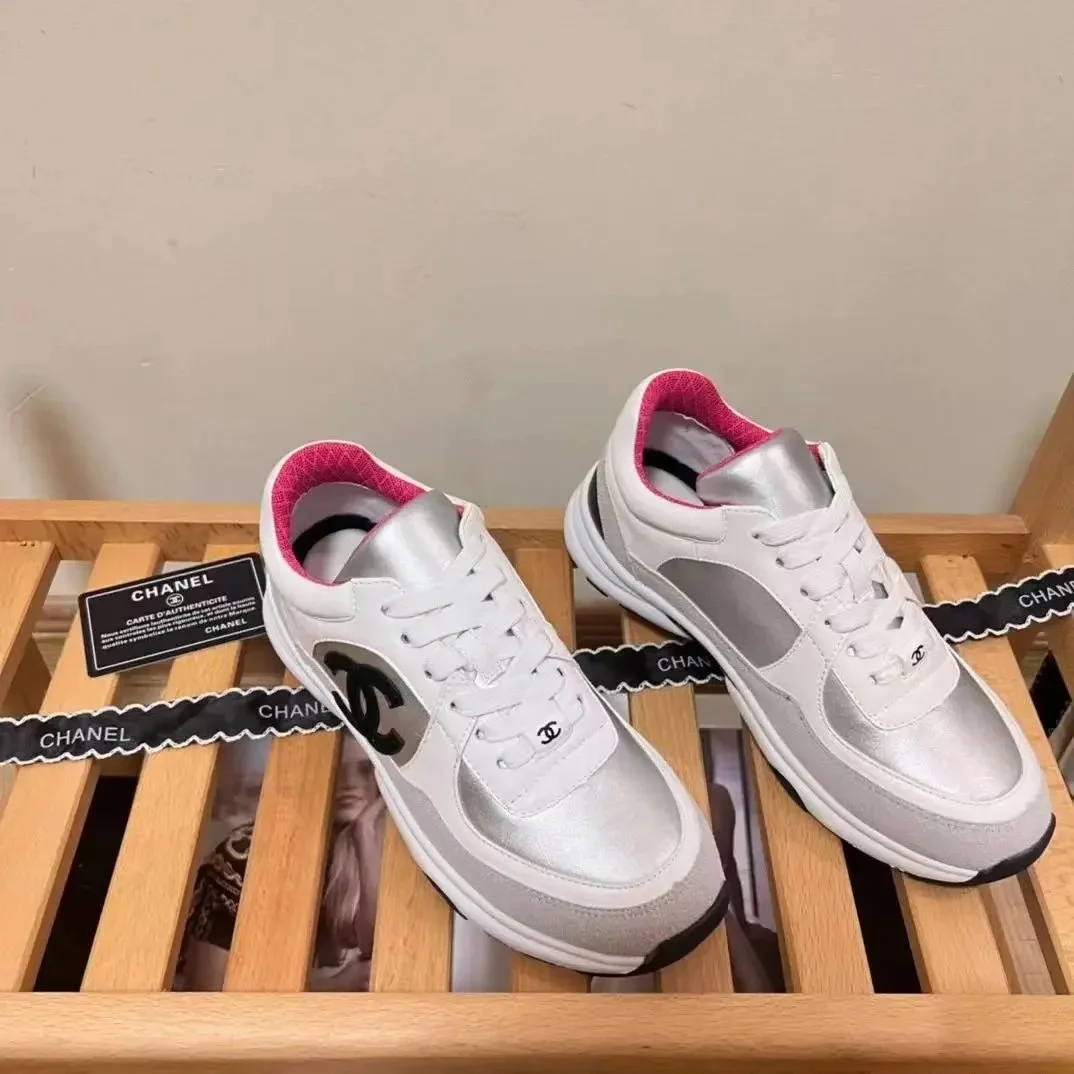


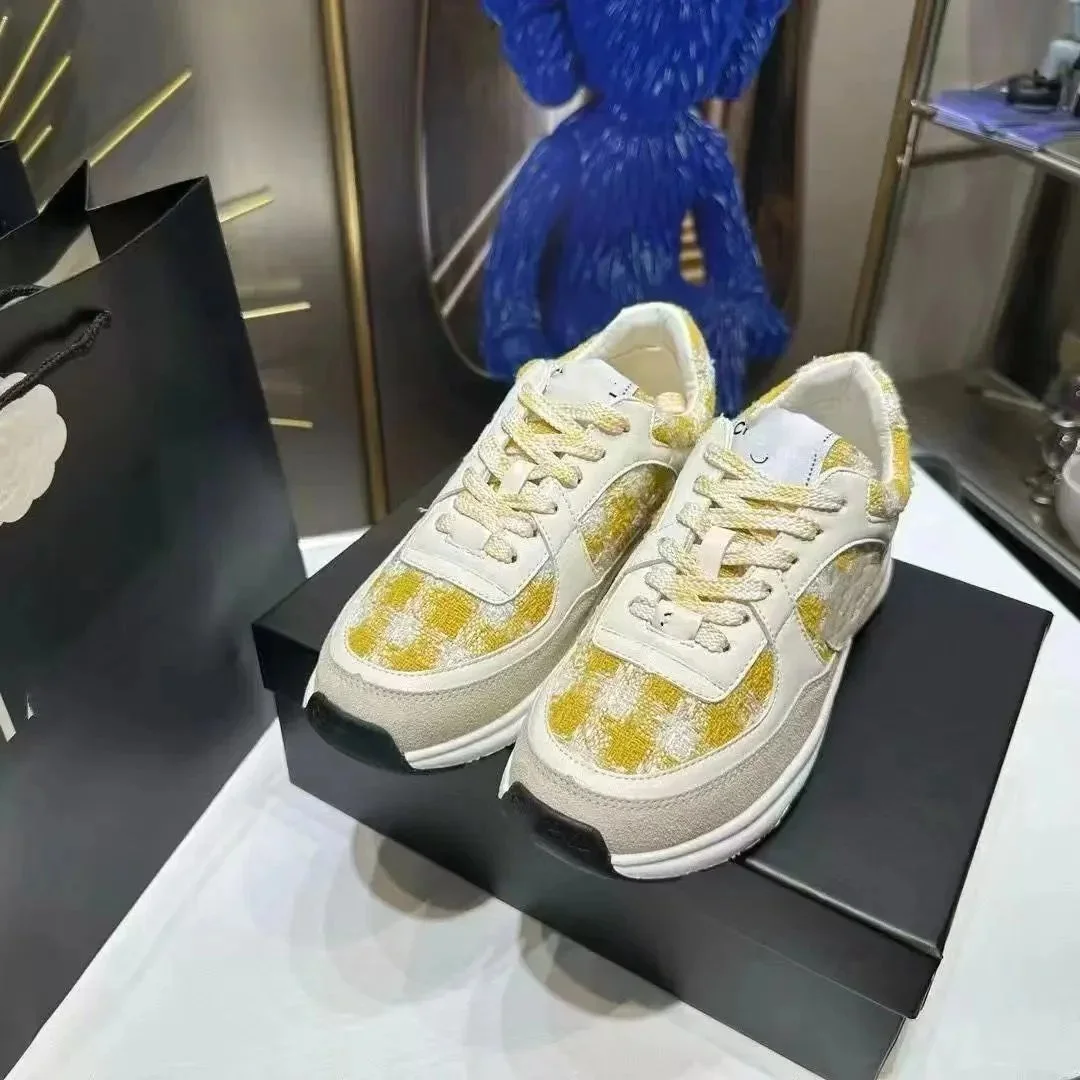
Start with the shape and fit you need before narrowing down colours or model names.
Shortlist a simple colour scheme and a profile that works with your usual trouser hems. Compare it with the pair you already reach for most often, including where it feels comfortable or tight.
For wide trousers or an oversized outfit, compare a broader sole and toe outline. Look at side and top views so the shoe’s volume matches the silhouette you want.
If shoes often feel tight at the forefoot or loose at the heel, record that. Measure both feet and ask about width and fit for the exact option instead of adding a size automatically.
Choose fit and documented performance separately from the visible outline.
Scroll across to compare
| Type or feature | When to consider it | What to check |
|---|---|---|
| Low-profile shapes | Consider these when you want a quieter outline beneath a straight or cropped hem. A narrow-looking upper deserves a closer width check. | Compare the forefoot and opening with a comfortable pair; request the selected size chart. |
| Chunkier sole profiles | A more substantial outline can balance a fuller trouser leg. Visible sole thickness does not establish cushioning. | Inspect the side profile and toe width, and how much your trouser hem will cover. |
| Higher collars | A cropped hem exposes the collar; a longer leg may cover it. Consider the collar as part of the complete outfit. | Check opening shape, fastening and ankle clearance. Collar height alone does not demonstrate support. |
Use your trousers and socks to decide how much shoe you want to show.
Compare where the hem ends relative to the collar. Showing some sock and letting the hem touch the shoe create different proportions; decide which result you want before choosing trouser length.
Check that the hem does not disappear beneath the heel. A full-length outfit photo helps you judge the visible shape more usefully than an isolated product image.
Repeat one shoe colour in a small part of the outfit, or keep the other pieces simple. This gives a bold pair room without needing every item to match.
Use it as a starting reference, then check the exact listing’s chart and measuring method. A familiar size label is not a universal fit standard across versions and sellers.
No. Ask which quantity the chart describes. Nike’s guide distinguishes foot length from its CM label; do not transfer that brand’s conversion to another listing.
Extra length does not answer a width question. First obtain width information or a fit description, and compare with a pair that fits your forefoot.
Use the intended-use specifications and appropriate fit information for sport. A running-inspired silhouette or a large sole alone does not establish sports performance.