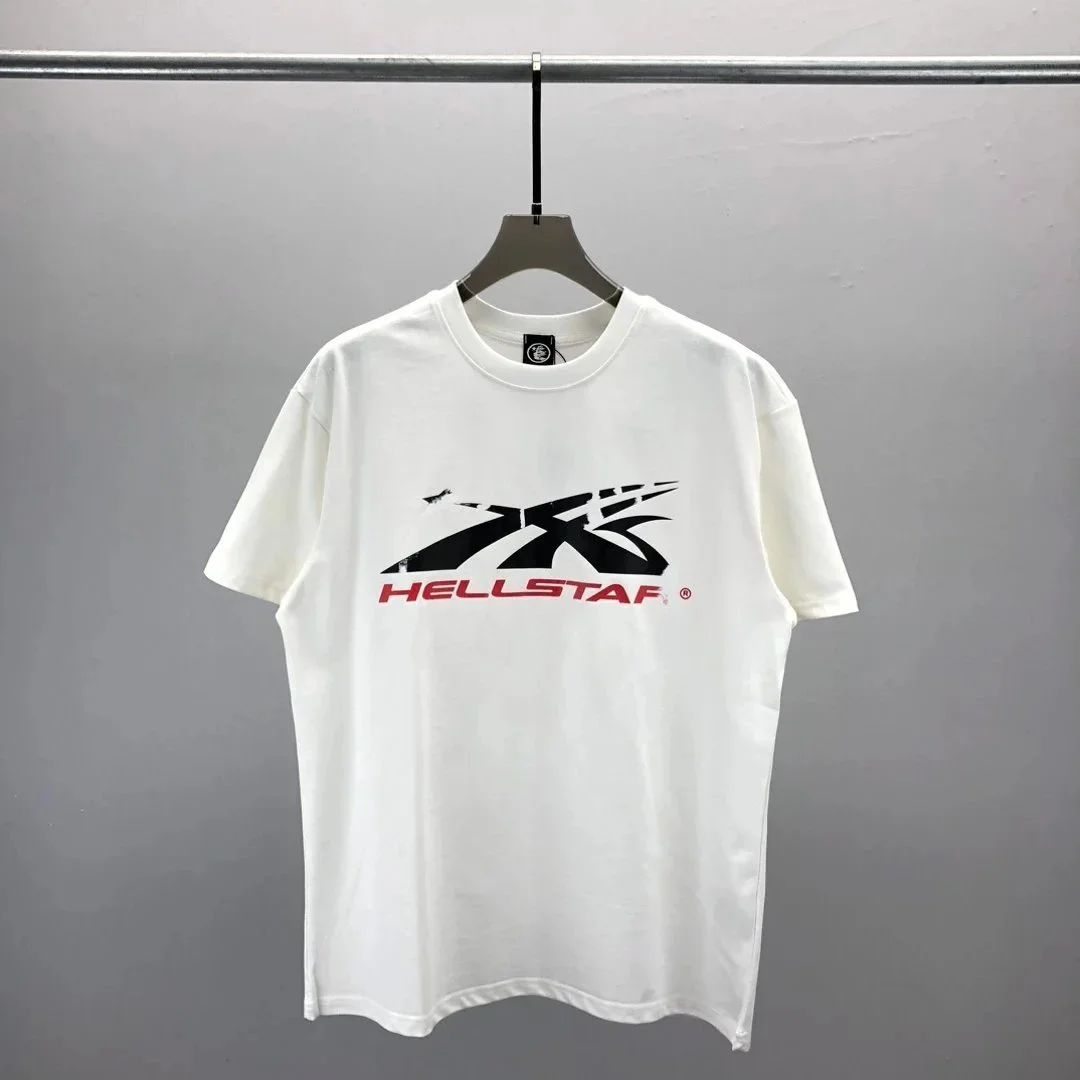
Hellstar White 'X' Logo T-Shirt
~$13.75↗
Item estimate · shipping extra Beijing Time
Choose a T-shirt by its cut as well as its graphic. Width, body length, shoulder position and print placement each change a different part of the outfit.
Shortlist colours and designs from the product cards, then compare finished measurements, front and back views and fabric details for the selected version.
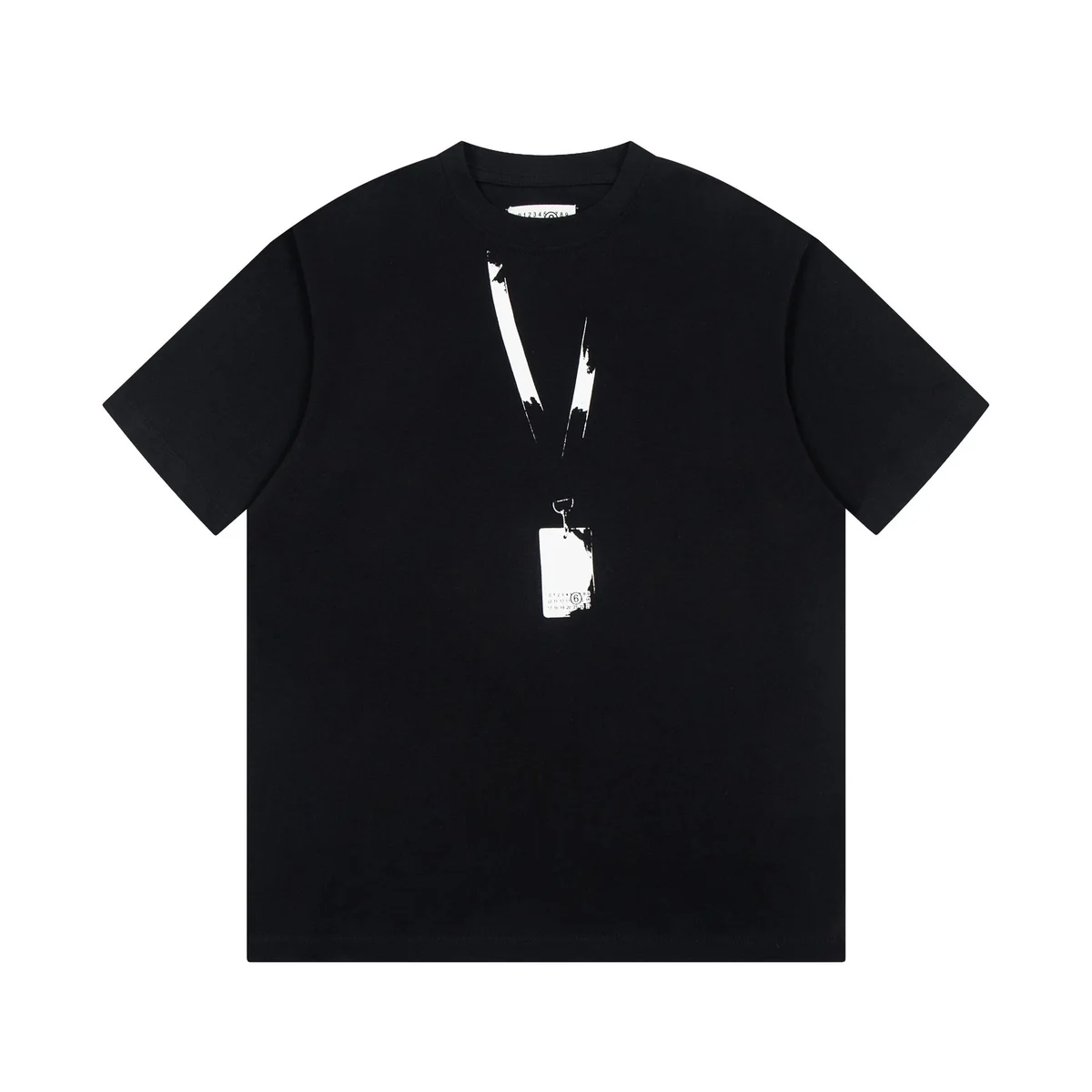
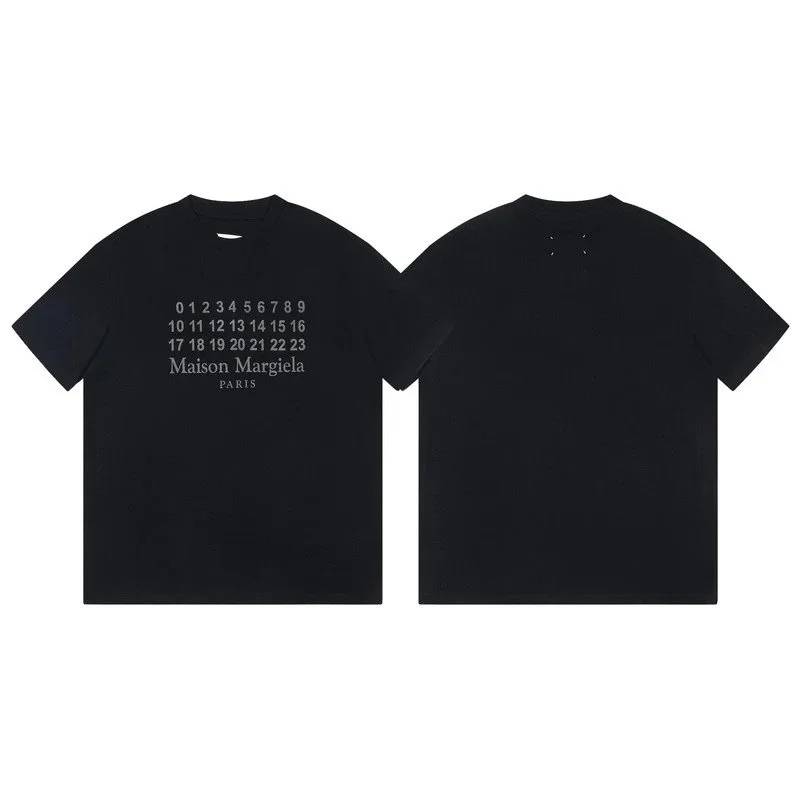
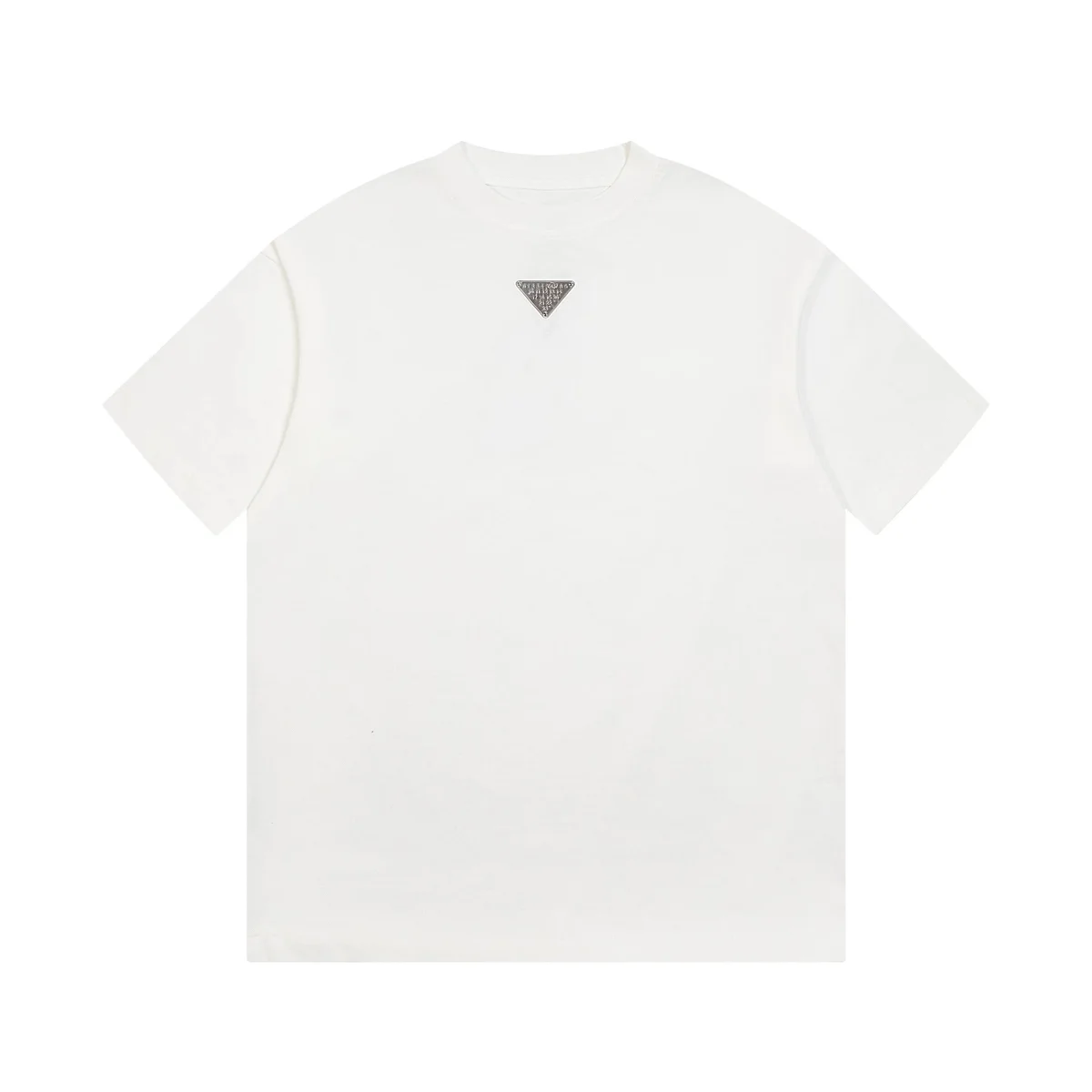
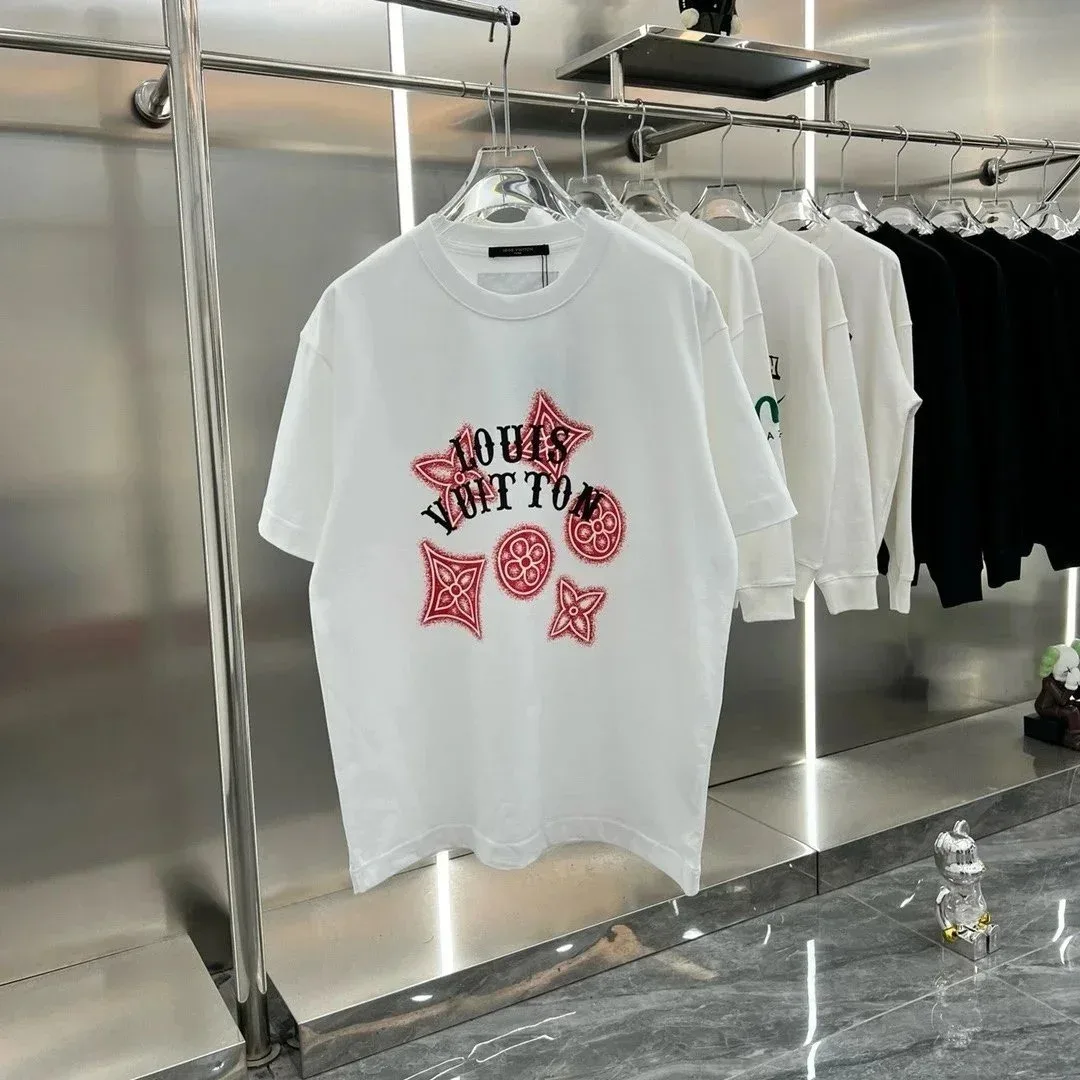
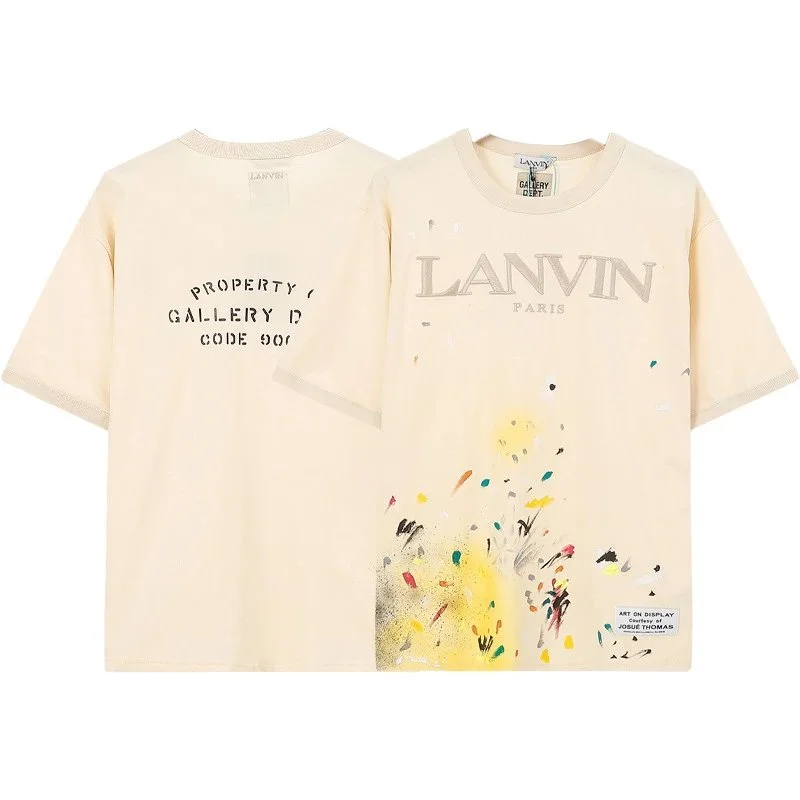

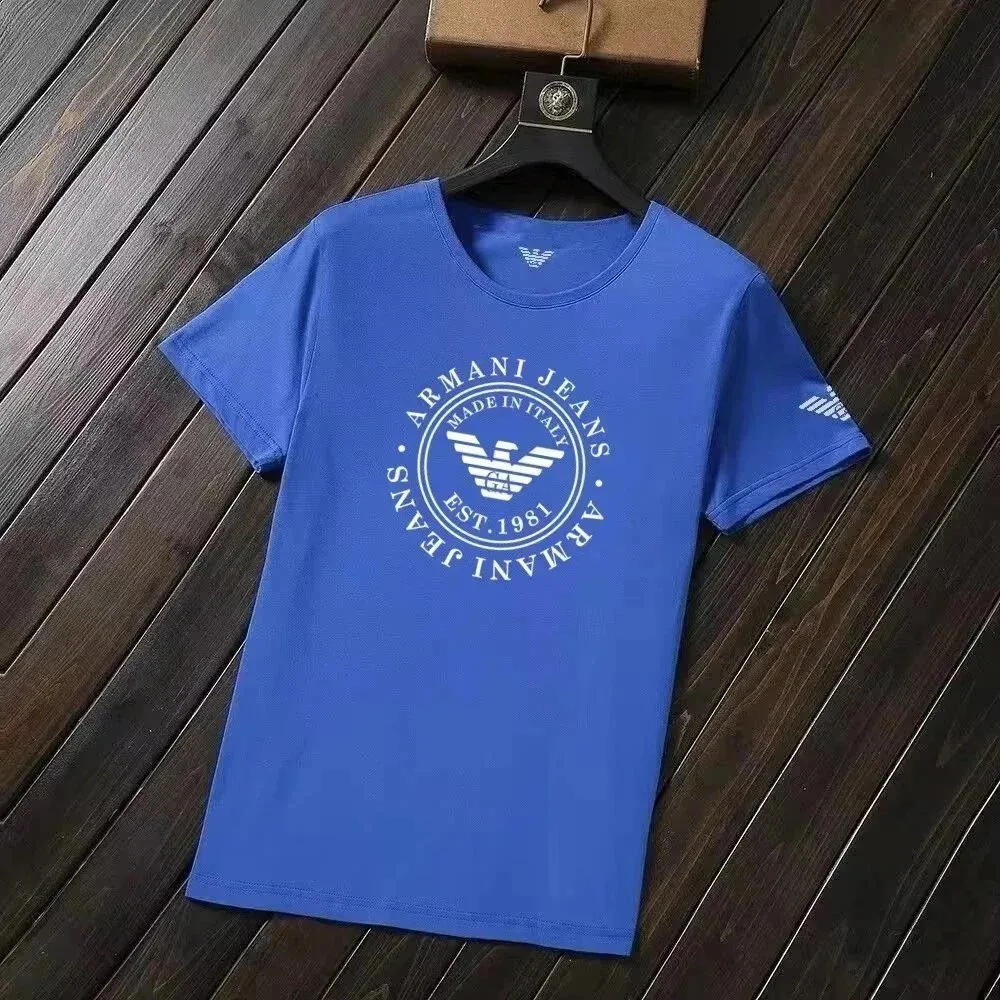
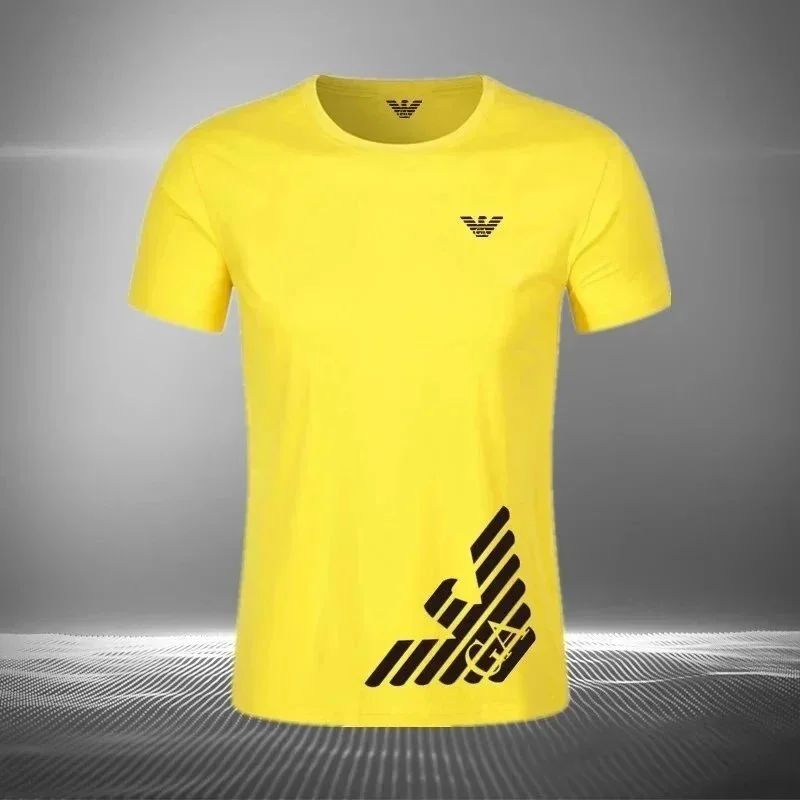
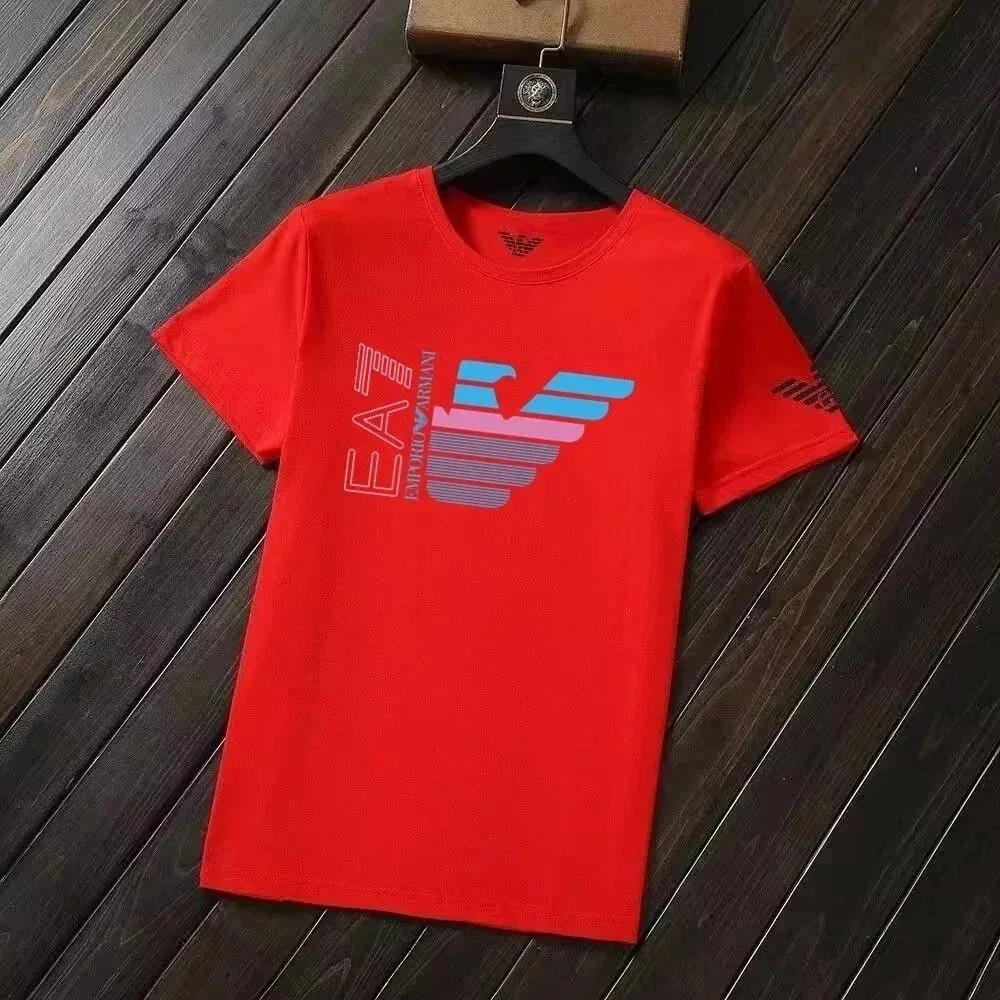
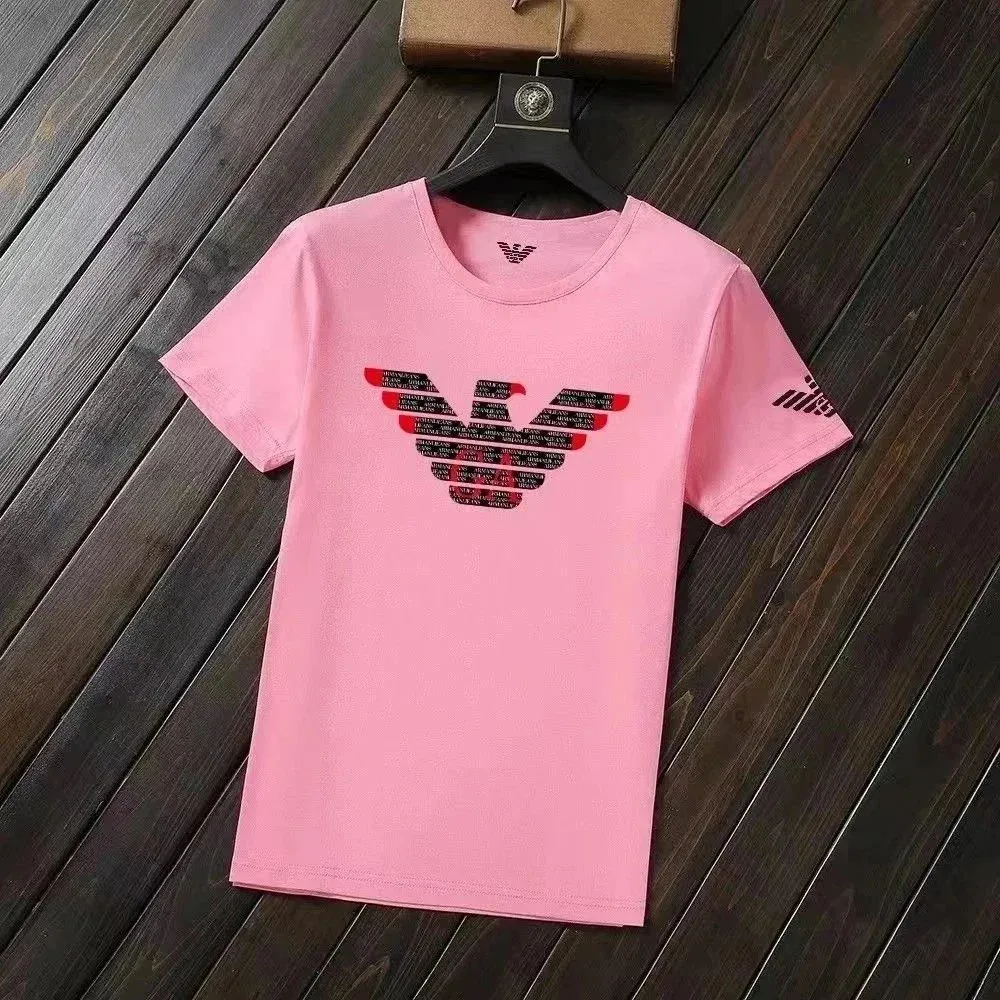
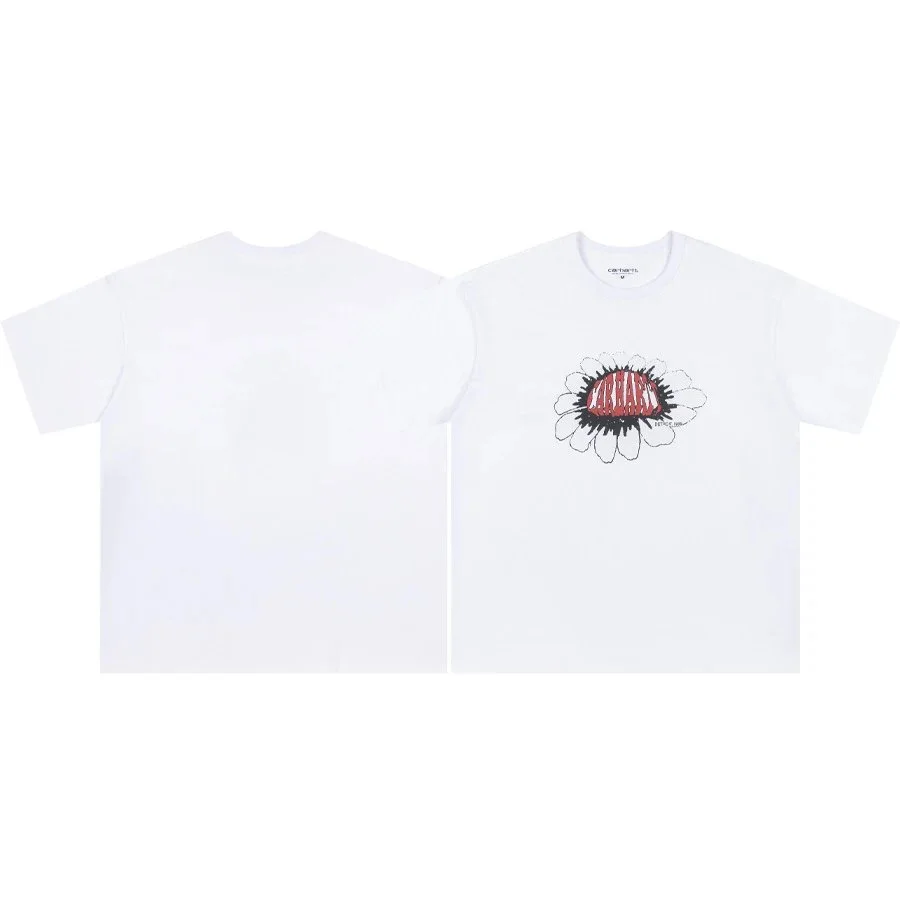


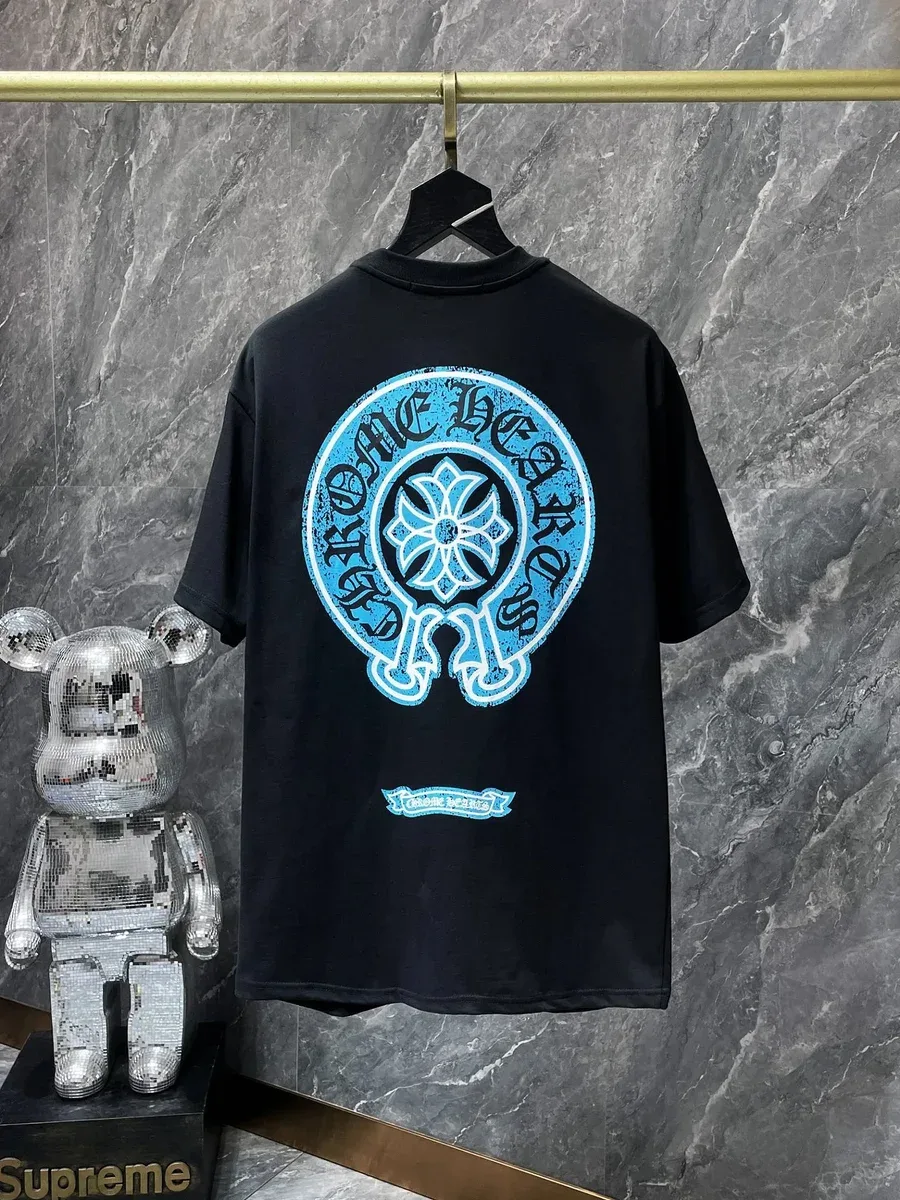
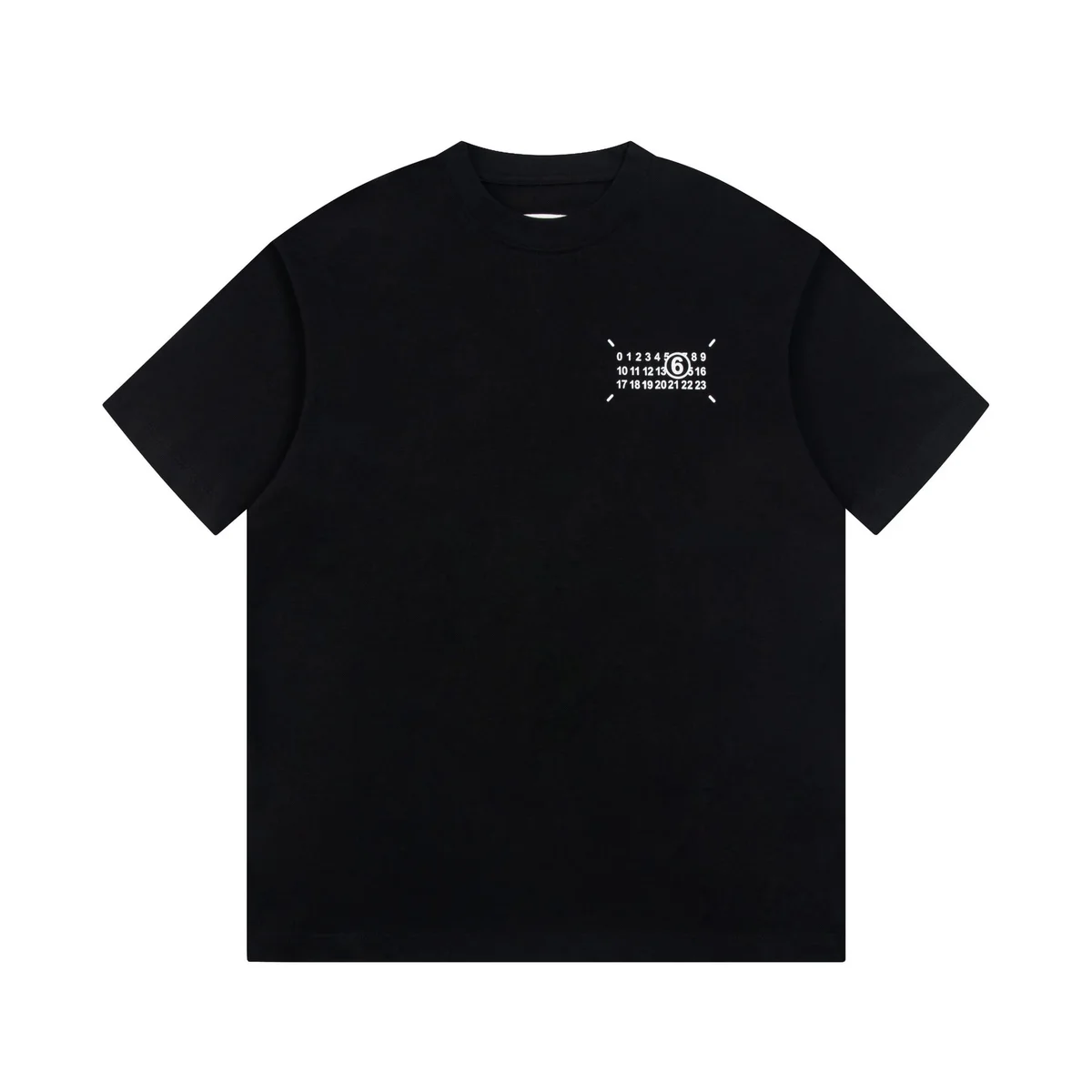
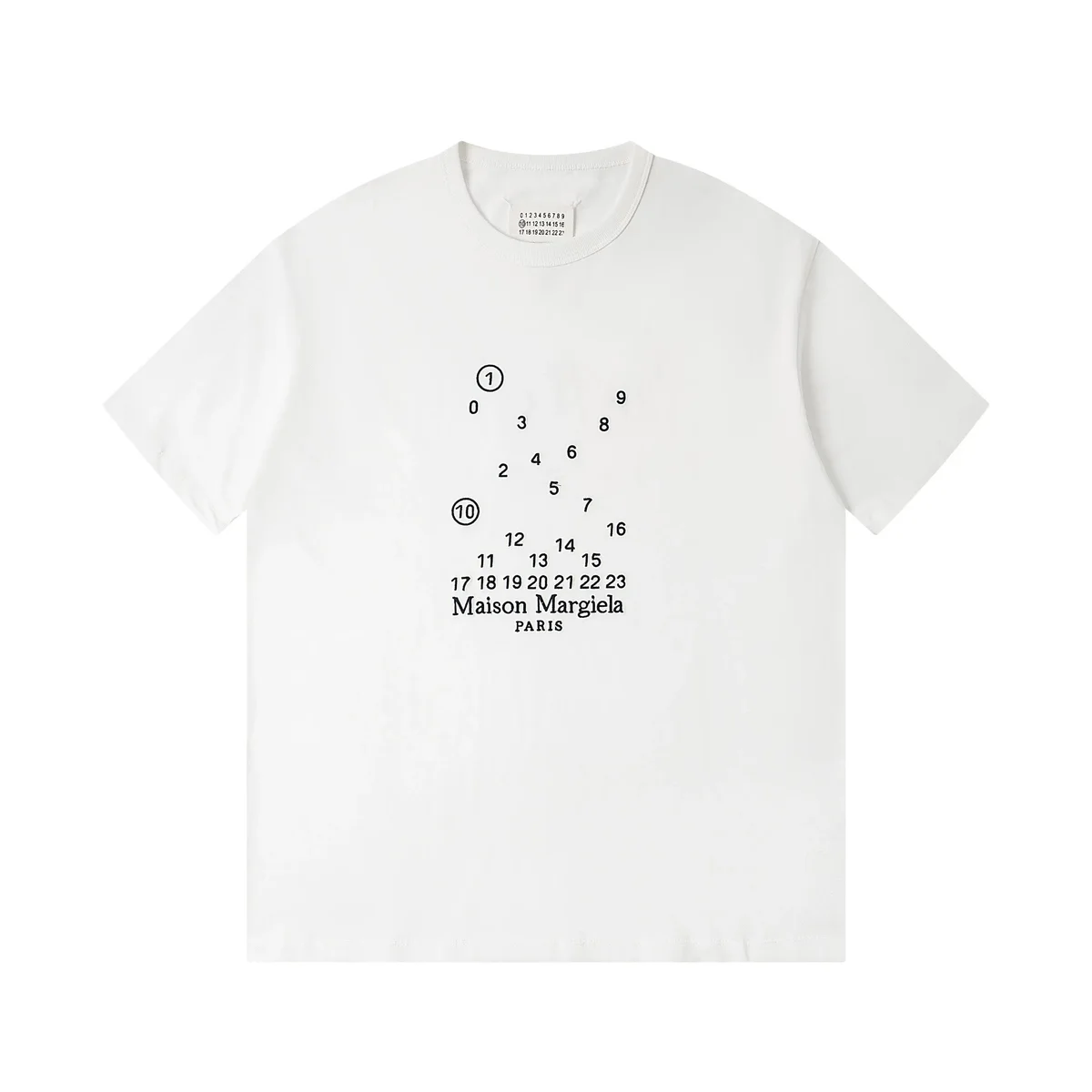
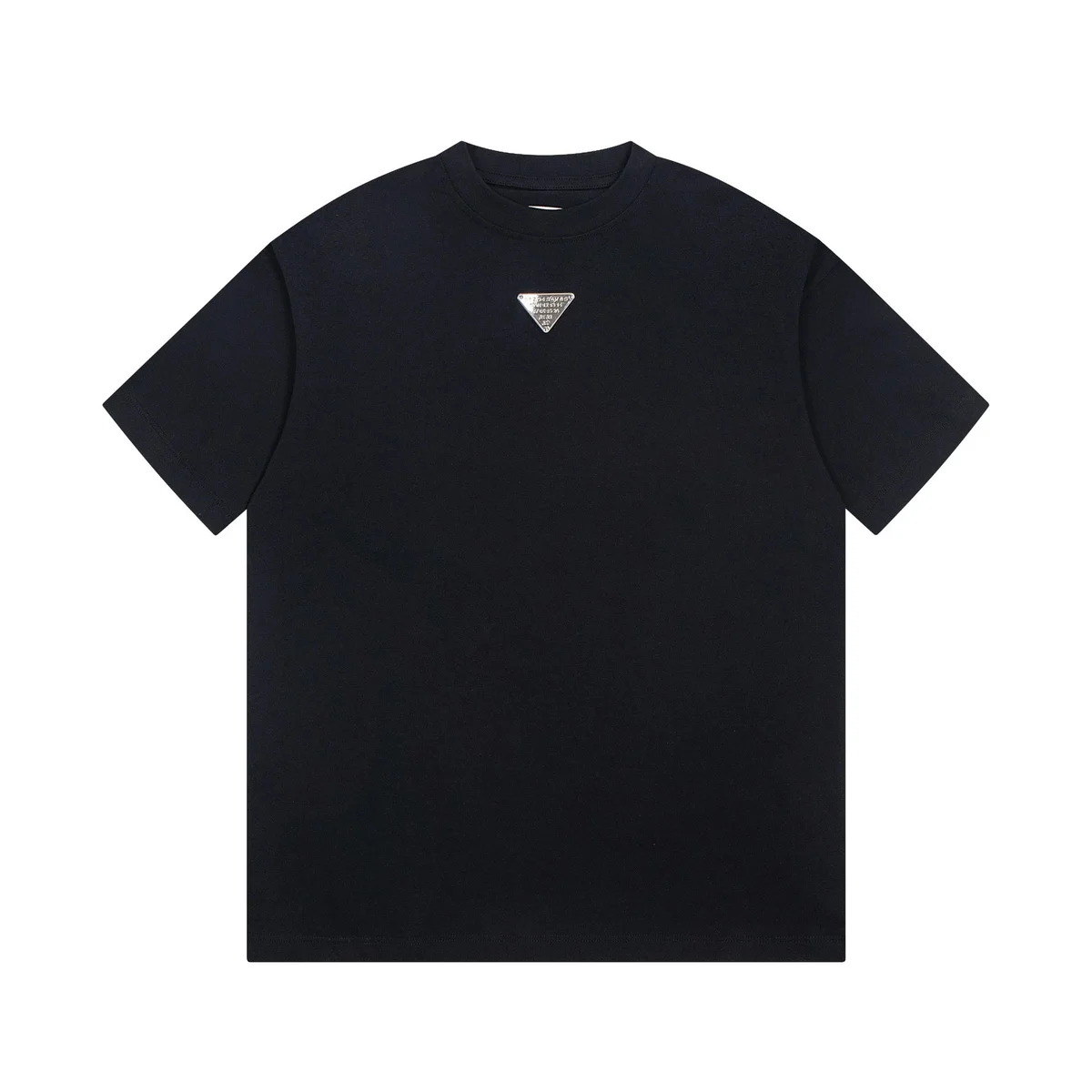
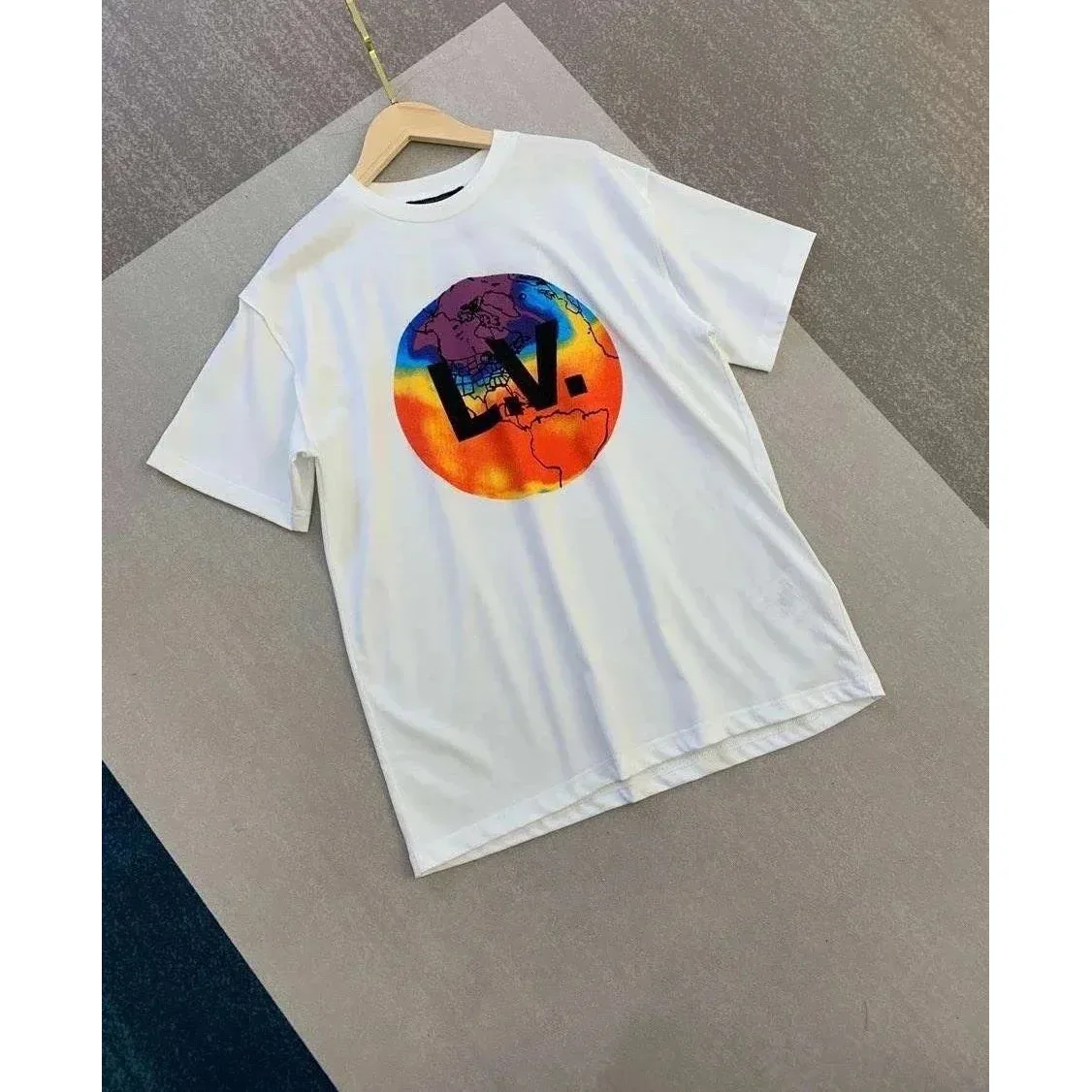
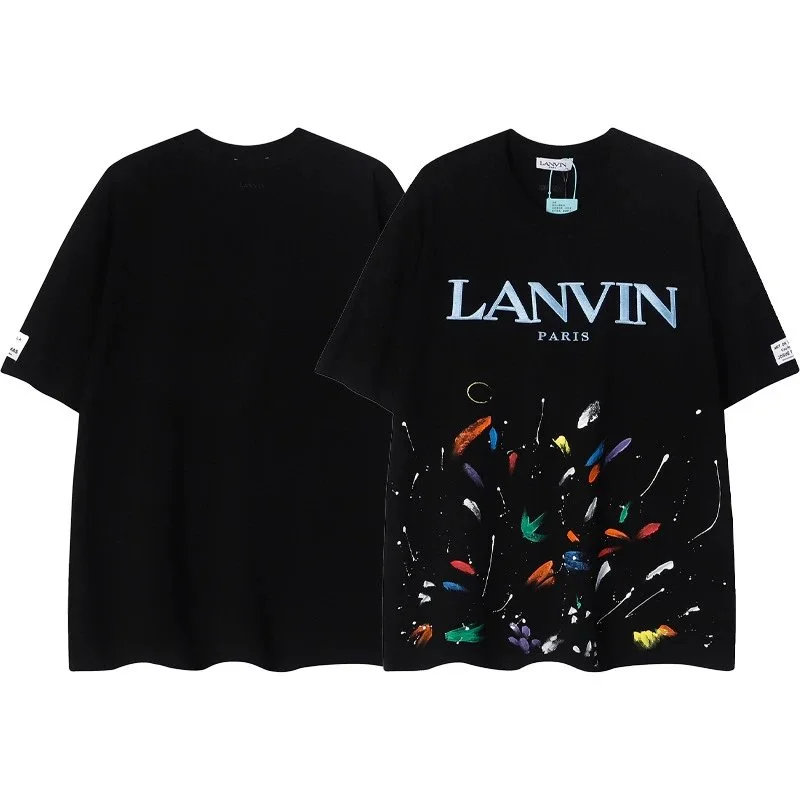
Decide whether the tee is the main piece, an inner layer or a shorter, wider shape.
Start with a neckline, sleeve length and hem position you already like. A tee you own provides a clearer reference than a model photo taken from an unfamiliar angle.
Look at width and body length separately. A short, wide cut differs from a long, loose cut, even when both are described as oversized.
Check the print’s scale and placement on the selected colour. Decide whether the design needs to stay visible under an open shirt, jacket or zip-up hoodie.
Use the same measuring points when comparing your favourite tee with a candidate.
Scroll across to compare
| Type or feature | When to consider it | What to check |
|---|---|---|
| Regular proportions | A starting point for an uncomplicated outfit or an inner layer. Check that the hem ends where you expect. | Compare body length, flat chest width and sleeve length with your reference tee. |
| Boxy or cropped proportions | Consider width without a long hem. Extra width on its own does not make a tee cropped. | Check width and length together, plus the shoulder seam and hem opening. |
| Longer relaxed proportions | Consider a hem that deliberately extends below another layer. Extra length also changes how much fabric is tucked in. | Compare the hem with your waistband and outer layer; inspect side views if available. |
Small changes in hem position or graphic placement can change the whole combination.
Compare the full outline of the tee and trousers together. If both are very wide, a deliberate hem position helps the outfit look intentional.
A full tuck, a partial tuck and an untucked tee need different amounts of visible fabric. Compare the candidate with a tee you have already worn that way.
Let the print be the focal point and keep nearby layers simpler. With an open jacket, check whether its opening covers the part of the design you like.
Compare the pattern’s dimensions first. Moving up a size can add length as well as width; it may not create the shorter, wider silhouette you had in mind.
Lighting, background and the layer underneath affect the image. Request fabric details and a closer view, and compare more than one photo if coverage matters.
It describes one feature. Composition, construction, cut and your preferred feel also matter. If weight is not listed, a thick-looking photograph does not supply it.
A close-up can show placement and edges, but not long-term durability. Ask about the print method and follow the selected item’s care label.